

Alleviant Integrated Mental Health Blog
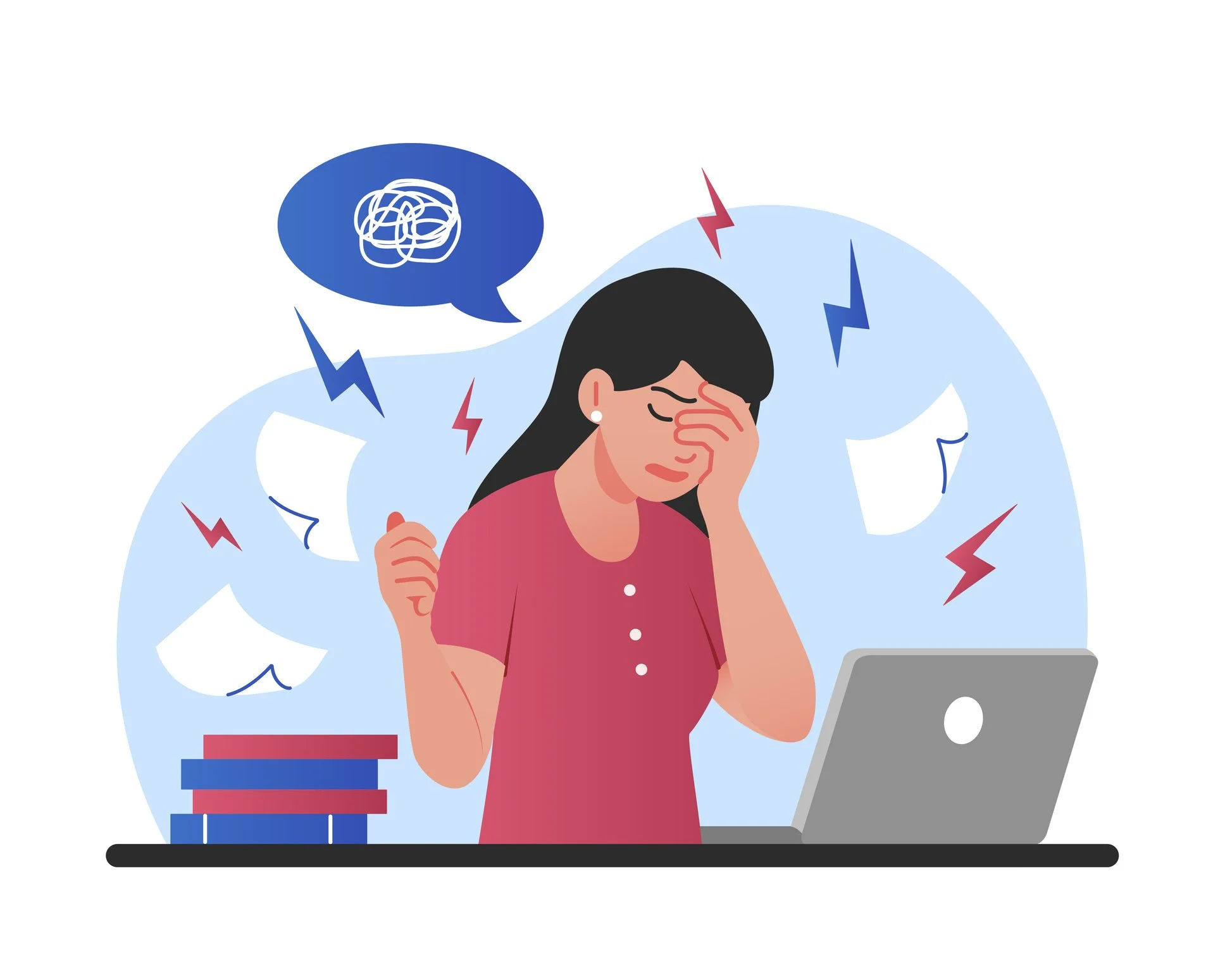
The Connection Between Chronic Stress and Physical Health
April 18 is Stress Awareness Day, a day to recognize the impact of stress on our daily lives and long-term health. Stress is a normal response to challenges, but when it becomes chronic, it can affect every system in the body.
For parents, caregivers, and adults managing busy lives, understanding the connection between stress and physical health is critical. At Alleviant Integrated Mental Health, we work with individuals to identify stress triggers, develop coping strategies, and provide therapies—including PrTMS (Personalized Repetitive Transcranial Magnetic Stimulation)—to support both emotional and physical well-being.

Brain Awareness Week: Mindful Movement and the Science of Emotional Regulation
Movement is often thought of as something that affects only the body. Yet the truth is that how we move can have a profound effect on our brain and emotional health. During Brain Awareness Week, March 16 through 22, exploring mindful movement is a way to support both mental clarity and emotional resilience.
At Alleviant, we see the benefits of mindful movement every day. Activities that combine physical motion with awareness and intention help regulate stress, improve mood, and strengthen the connection between body and mind. Unlike exercise that is purely physical, mindful movement engages the nervous system in a way that promotes balance and calm.
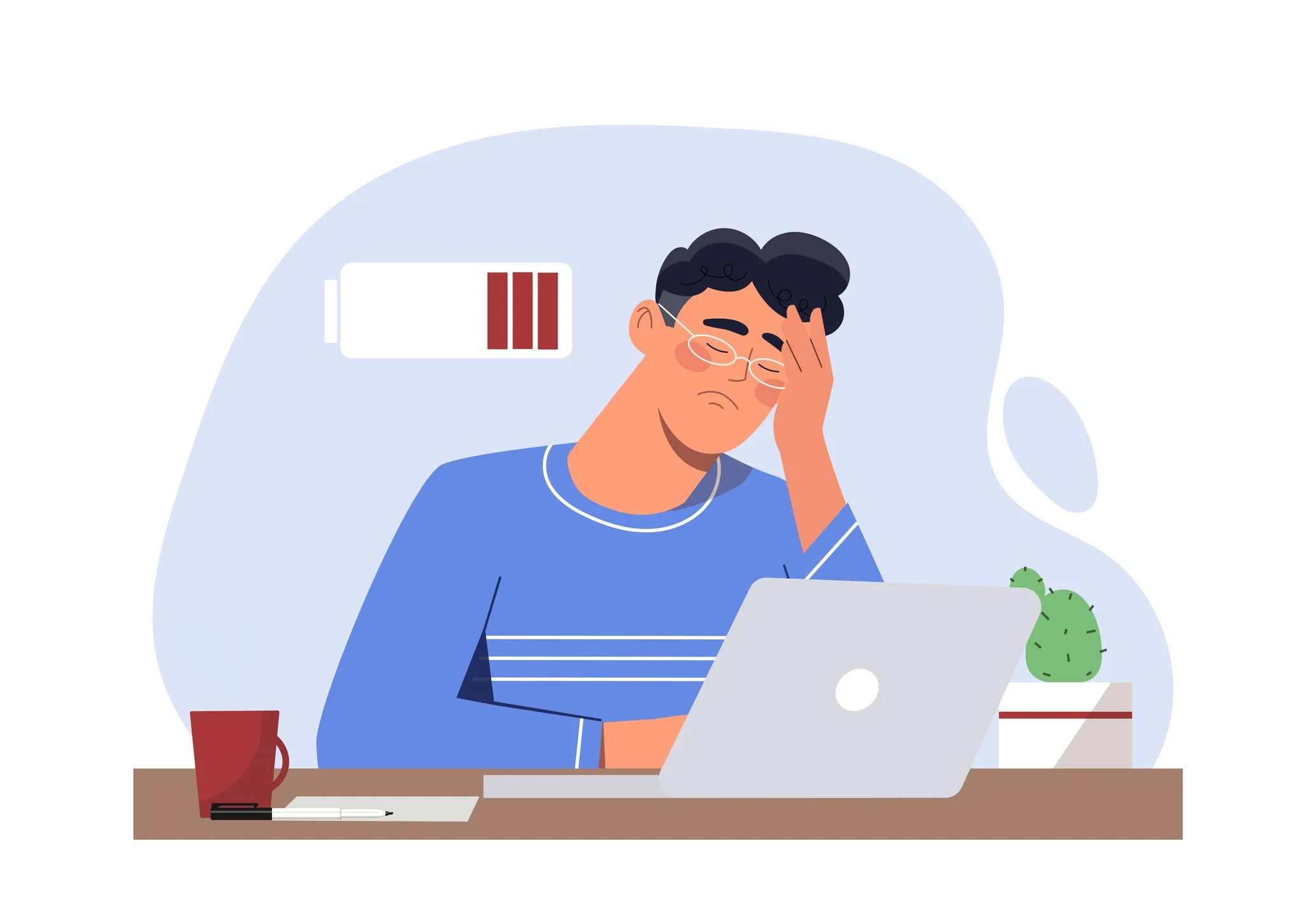
Brain Awareness Week: Understanding Burnout and What Your Brain Is Telling You
Burnout is more than feeling tired at the end of a long day. It is a state of physical, emotional, and mental exhaustion that develops over time. During Brain Awareness Week, March 16 through 22, it is worth paying attention to what burnout is telling you about how your brain and body are coping with stress.
At Alleviant, we see burnout as a signal, not a personal failure. When the brain is constantly under pressure, it starts to show warning signs. Recognizing these early signals can help you take steps before exhaustion impacts your health, relationships, or performance.

When Willpower Isn’t Enough: Understanding the Mental Health Side of Lifestyle Changes
Every January, many of us set intentions to improve our physical health. We resolve to exercise more, eat healthier, lose weight, or quit substances. But even the most well-intentioned plans can feel emotionally exhausting, and progress often stalls. That doesn’t mean you lack discipline. More often, it means that the emotional and mental aspects of change are being overlooked.

How Nutrition and Deficiencies Impact Brain Function
Your brain can’t thrive on empty.
Every organ in your body requires fuel — and your brain is no exception. In fact, your brain uses more energy than any other part of your body. When it doesn’t get the nutrients it needs, it doesn’t just slow down — it begins to misfire.
Many symptoms that are diagnosed as depression, anxiety, or even ADHD may actually stem from nutritional imbalances, deficiencies, or toxicities (Rao et al., 2008). But these often go overlooked in traditional psychiatry.
At Alleviant, we ask different questions — because we know that brain function and nutrition are deeply connected.