

Alleviant Integrated Mental Health Blog

World Sleep Day: The Link Between Sleep and Depression
World Sleep Day on March 14 is a reminder that sleep is not a luxury. It is essential for physical health, cognitive function, and emotional wellbeing. When sleep is disrupted, mental health often suffers. One of the strongest and most researched connections is between sleep and depression.
Sleep and depression have a bidirectional relationship. Poor sleep can increase the risk of developing depression, and depression commonly disrupts sleep. For many people, it becomes difficult to tell which came first. What is clear is that the two conditions reinforce each other. At Alleviant, we regularly see how improving sleep can support mood recovery and how treating depression can restore healthier sleep patterns.

Building a Bedtime Routine That Supports Mental Wellness
Most people know sleep matters. Fewer people realize how much the hour before bed shapes the quality of that sleep and, in turn, mental health. A bedtime routine is not about being rigid or doing everything perfectly. It is about helping your brain and body transition out of survival mode and into rest. When that transition does not happen, sleep becomes shallow, fragmented, or hard to reach at all.
At Alleviant, we often see that improving the bedtime routine can be one of the most practical ways to support mood, anxiety, focus, and emotional regulation.

National Sleep Awareness Week: When Rest Is Missing, Everything Feels Harder
We often treat sleep like a reward, like it’s something we get only after everything else is done. The problem is that everything else depends on it. During National Sleep Awareness Week, March 8 through 14, it’s worth pausing to notice a pattern many of us have quietly accepted as normal: running on fumes, waking up already tired, and pushing through brain fog with caffeine and sheer willpower. Poor sleep doesn’t just make you tired. It changes how you feel, how you think, and how well you handle life.
At Alleviant, we see it every day. When sleep improves, mood often lifts. Thinking becomes clearer. Stress feels more manageable. When sleep deteriorates, everything can unravel quickly.
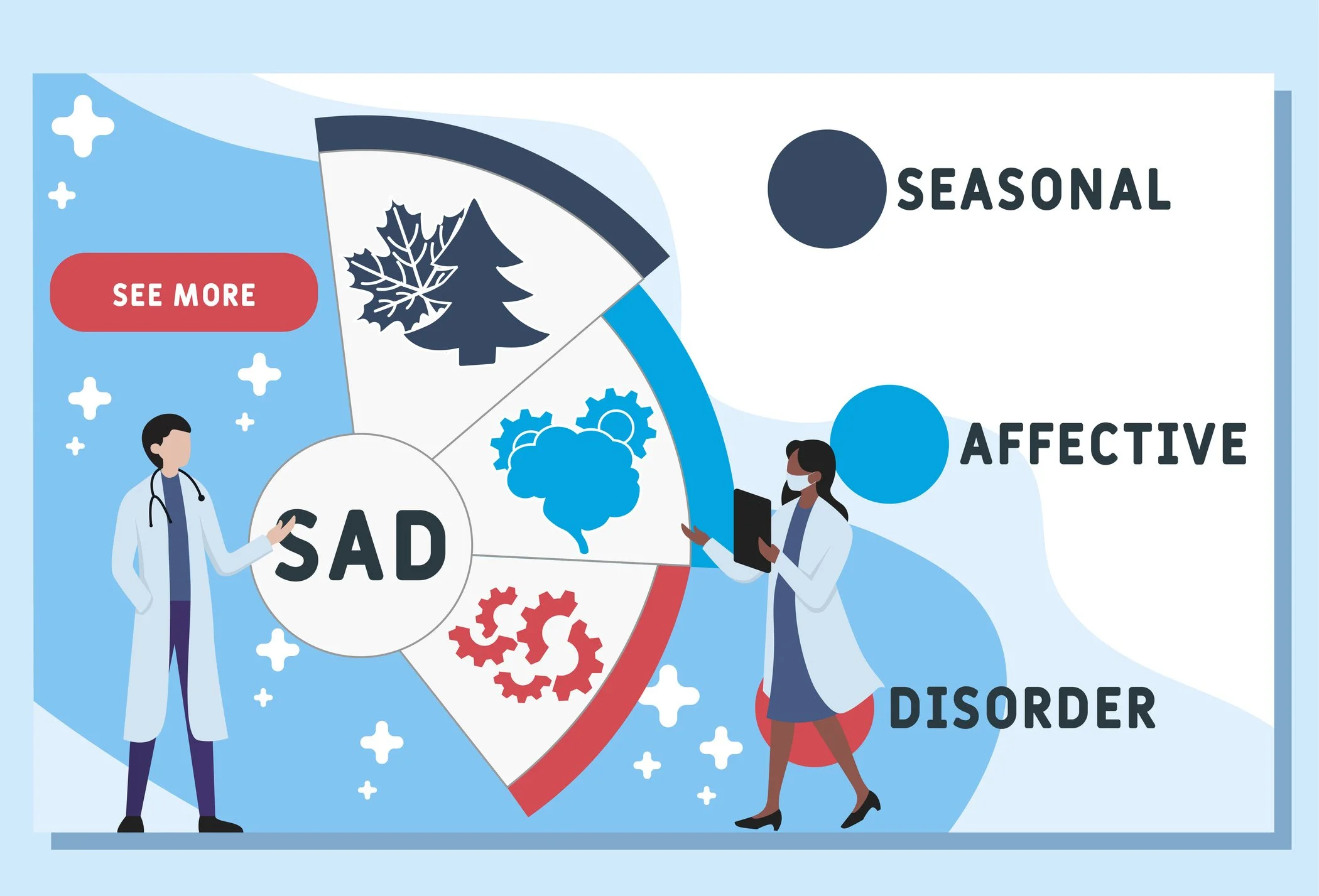
Understanding Seasonal Affective Disorder and How to Cope This Winter
Many people notice their mood changing as winter settles in. Shorter days, colder weather, and long stretches of darkness can take a real toll on emotional well being. For some, these changes lead to Seasonal Affective Disorder. SAD is a type of depression that follows a seasonal pattern, most often appearing in late fall and winter.
If you have been feeling heavier, more tired, or less motivated than usual, you are not alone. SAD is common, and there are proven ways to support your mental health through the darker months. Understanding what is happening inside your body and learning evidence based coping strategies can make this season feel more manageable and less overwhelming.
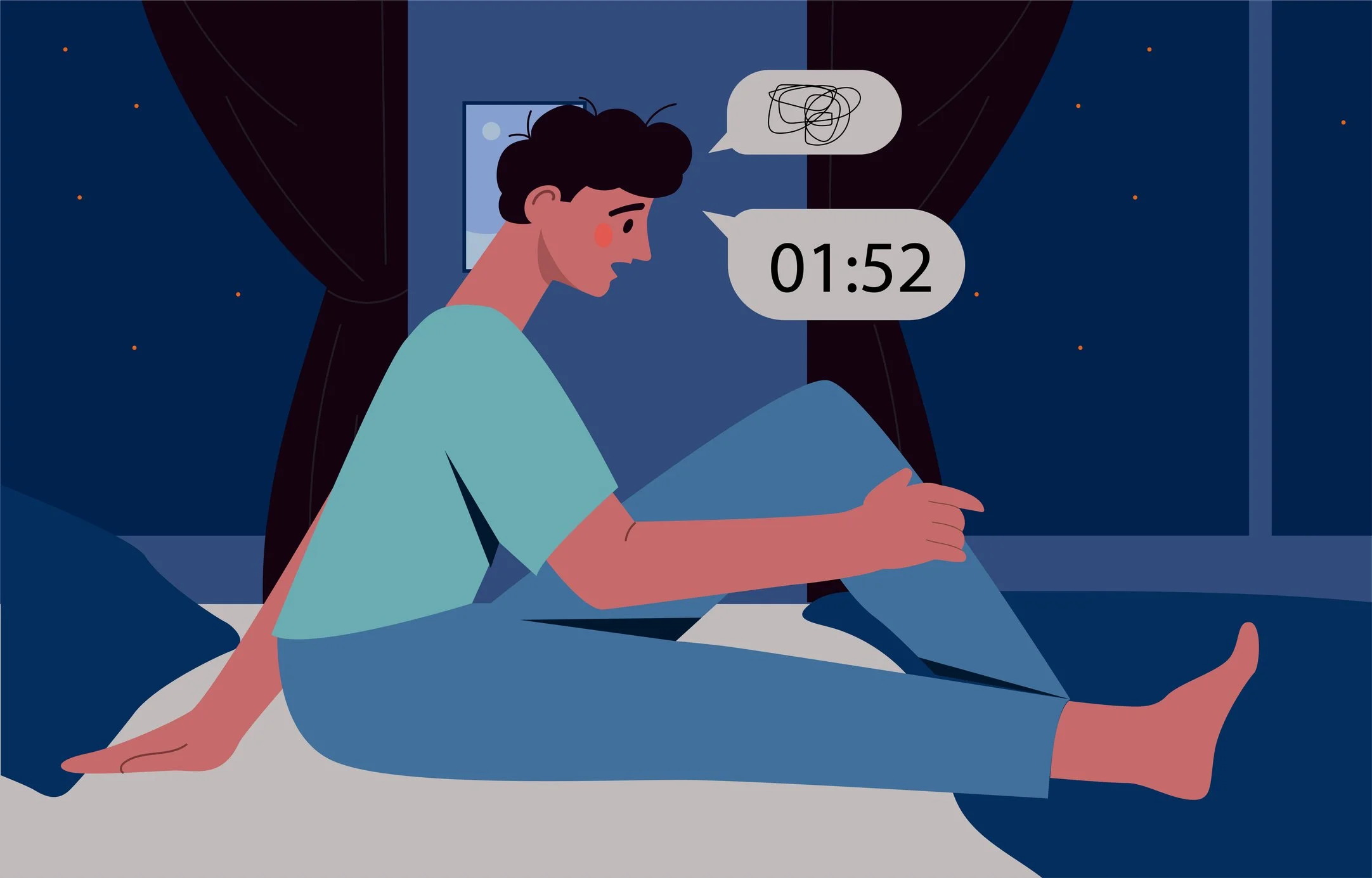
The Importance of Sleep for Mental Health During the Holiday Season
The holiday season is a time of celebration, connection, and tradition. It is also a time when routines can shift, late nights become common, and stress levels rise. All of these factors can interfere with one of the most important pillars of mental health: sleep.
Prioritizing sleep during the holidays is not indulgent. It is essential for emotional balance, resilience, and overall well-being. Understanding why sleep matters and how to protect it can help you feel calmer, more present, and better equipped to enjoy the season.