

Alleviant Integrated Mental Health Blog

Creating a Stress-Resilient Life: Daily Habits That Support Mental Health
Life inevitably brings stress, but developing daily habits that strengthen your mental and emotional resilience can help you cope more effectively. At Alleviant, we approach stress resilience holistically, combining evidence-based strategies, therapy, and adjunct treatments like IV ketamine or Spravato® (esketamine) when clinically appropriate.
Building resilience is not about eliminating stress entirely. It is about cultivating skills, routines, and mindsets that allow you to respond to challenges with stability and clarity.

Earth Day and Mental Health: How Time Outdoors Supports Wellness at Alleviant
At Alleviant, we recognize that mental health care extends beyond therapy sessions. One of the most effective, natural tools for supporting emotional well-being is time spent outdoors. Research consistently shows that exposure to nature reduces stress, boosts mood, and enhances cognitive function. This Earth Day, consider how integrating nature into your routine can complement professional mental health care.
The Connection Between Chronic Stress and Physical Health
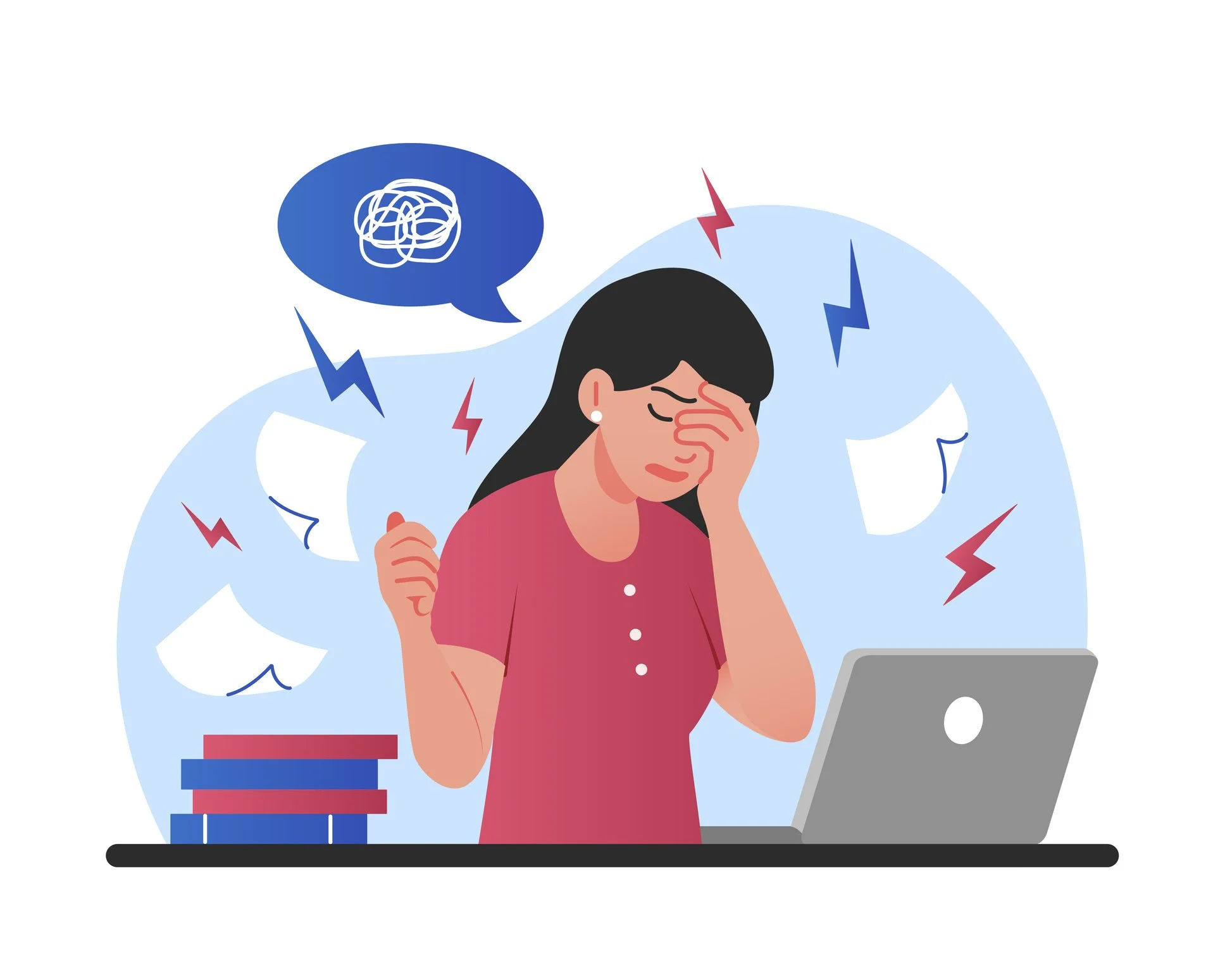
April 18 is Stress Awareness Day, a day to recognize the impact of stress on our daily lives and long-term health. Stress is a normal response to challenges, but when it becomes chronic, it can affect every system in the body.
For parents, caregivers, and adults managing busy lives, understanding the connection between stress and physical health is critical. At Alleviant Integrated Mental Health, we work with individuals to identify stress triggers, develop coping strategies, and provide therapies—including PrTMS (Personalized Repetitive Transcranial Magnetic Stimulation)—to support both emotional and physical well-being.

How Therapy Helps the Brain Heal from Stress and Trauma
April is National Counseling Awareness Month, a time to highlight the role therapy plays in helping individuals and families navigate stress, anxiety, and trauma.
As parents, caregivers, or even adults trying to manage everything life throws at us, it is easy to think of stress as just part of life. But when stress becomes overwhelming or long-lasting, it can actually change how the brain functions. The good news is that therapy is not just supportive. It is one of the most effective ways to help the brain heal and recover.
At Alleviant Integrated Mental Health, we often remind families that healing is not about “fixing” someone. It is about giving the brain the support it needs to regulate, adapt, and grow stronger over time.

Women’s History Month: Motherhood, Identity, and the Pressure to “Do It All”
Motherhood is often celebrated as one of life’s most rewarding experiences. At the same time, it can be one of the most challenging. Many women feel pressure to balance parenting, work, household responsibilities, and personal goals, all while maintaining their sense of identity. During Women’s History Month, it is important to recognize the mental health impact of these pressures and to honor the resilience of mothers everywhere.

Supporting Black Mental Health: Voices, Visibility, and Healing
Mental health is a fundamental part of wellbeing. For many in the Black community, emotional distress has been misunderstood, minimized, or left without effective support. Supporting Black mental health means listening deeply, honoring lived experience, and expanding access to culturally responsive healing rooted in respect, science, and community strengths. Healing is a human right and essential to overall health.

The Heart Mind Connection: Managing Stress for Emotional and Physical Wellness
February is American Heart Month, a time to focus on heart health and overall wellbeing. While heart health is often discussed in terms of diet, exercise, and medical checkups, there is another important piece that is sometimes overlooked. Emotional health and stress play a powerful role in how the heart and body function every day.
The heart and mind are deeply connected. When stress becomes chronic, it affects not only how we feel emotionally, but also how our bodies respond physically. Understanding this connection can help you approach wellness in a more compassionate and sustainable way.

Honoring American Heart Month: The Role of Mental Health in Heart Health
February is American Heart Month, a time to raise awareness about cardiovascular health and prevention. While diet, exercise, and medical risk factors like cholesterol and blood pressure are often emphasized, there is another powerful driver of heart health that deserves equal attention: mental health.
A growing body of research shows that emotional wellbeing and cardiovascular health are deeply interconnected. Scientific evidence suggests that stress, anxiety, and depression do not just influence how we feel — they have measurable effects on the body that can increase the risk of heart disease and related conditions.
The Mental Health Impact of Overworking: Why So Many People Crash in January
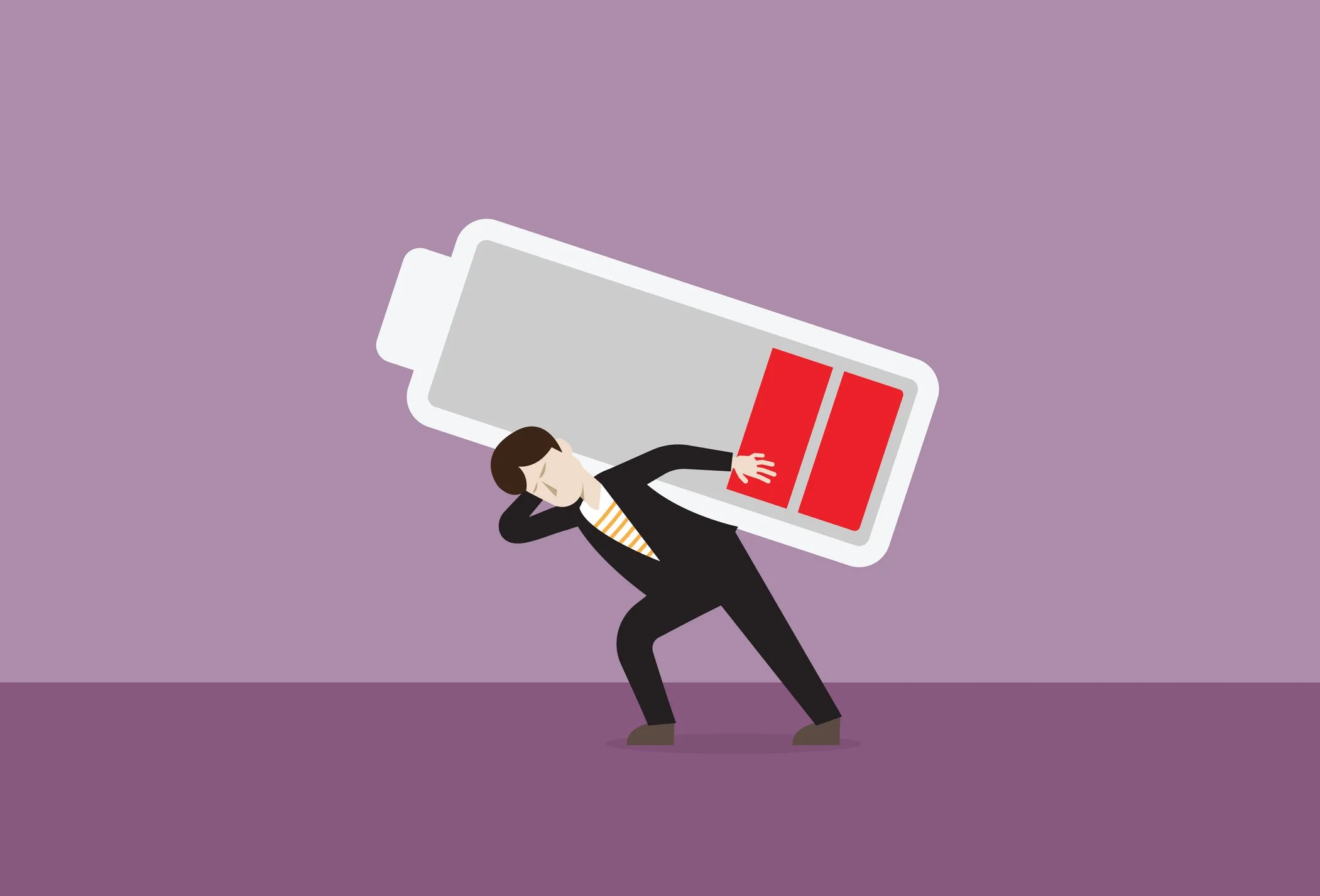
January is often presented as a fresh start, but for many people it feels more like a crash landing. After months of pushing through Q4 deadlines, holiday gatherings, financial stress, travel, and increased responsibilities, the body finally stops, and the exhaustion that was building for weeks shows up all at once.
This experience is more common than people realize. Burnout tends to hit when life finally slows down, not when you are pushing through the chaos. If January feels heavier than you expected, you are not alone, and you are not doing anything wrong. Your body is responding to months of running at full capacity.

Mindful Goal Setting: How to Release Perfectionism and Find Peace in Progress
The start of a new year often brings a sense of pressure. Many people feel the need to set big goals, reinvent themselves, or finally achieve the level of perfection they imagine. The truth is that perfectionism rarely helps anyone grow. It usually creates stress, fear of failure, and unrealistic expectations that leave people feeling discouraged before they even begin.
Mindful goal setting offers something different. It encourages you to slow down, choose what truly matters, and move at a pace that supports your emotional well being. When you approach your goals with presence and compassion, you create space for real and lasting change.

Beating the Post Holiday Blues: Why You Might Feel Down and How to Recover
The holiday season often brings a mix of joy, connection, and busyness. Once it all ends, many people notice an unexpected shift. The quiet days of January can feel heavier, slower, or strangely empty. If you find yourself feeling low after the holidays, you are not alone. This experience is very common and completely valid.
The post holiday blues are not a sign that something is wrong with you. They are your mind and body reacting to a major change in pace, structure, and emotional energy. With patience and simple routines, you can regain stability and feel more like yourself again.
The Importance of Sleep for Mental Health During the Holiday Season
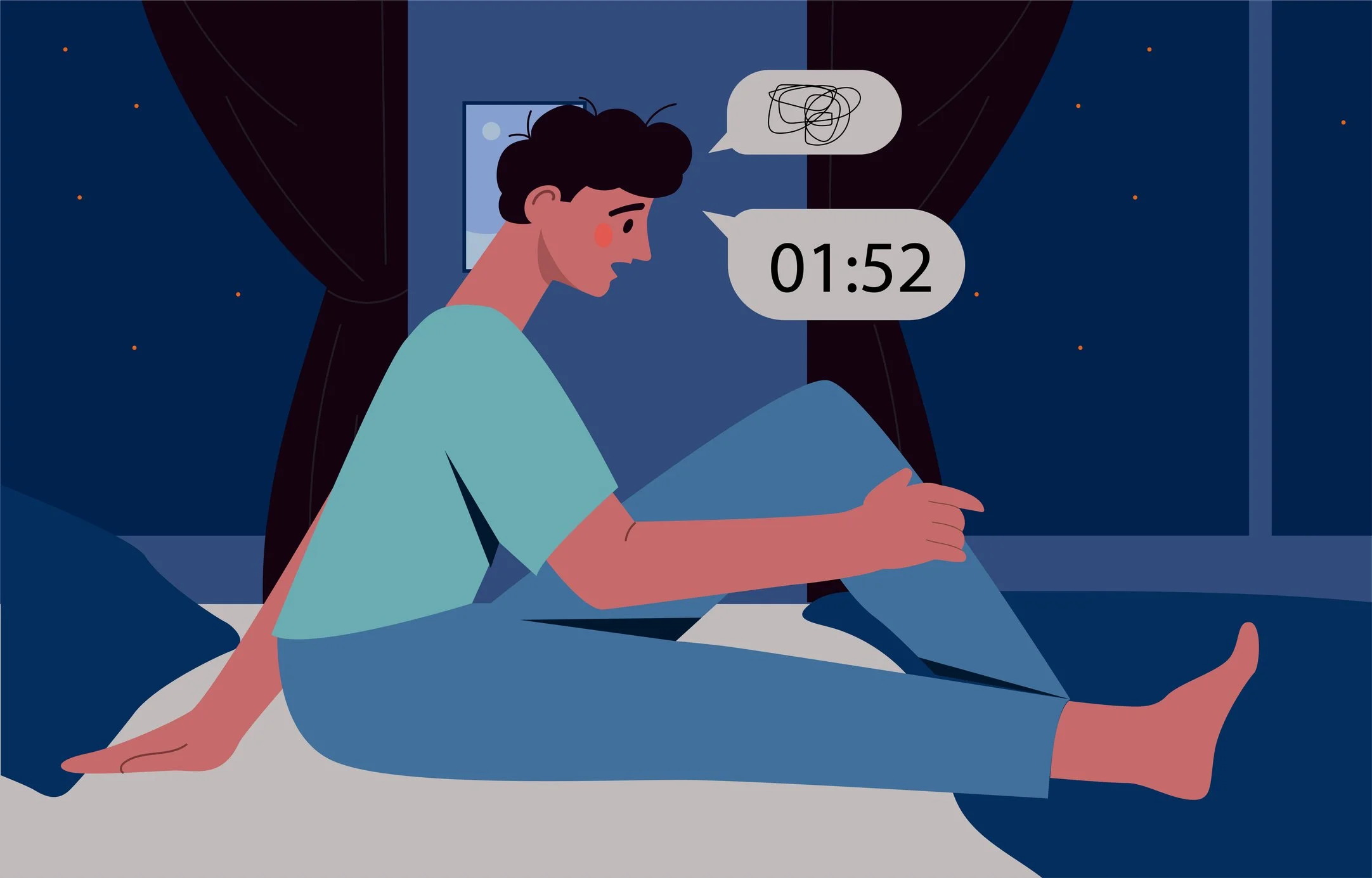
The holiday season is a time of celebration, connection, and tradition. It is also a time when routines can shift, late nights become common, and stress levels rise. All of these factors can interfere with one of the most important pillars of mental health: sleep.
Prioritizing sleep during the holidays is not indulgent. It is essential for emotional balance, resilience, and overall well-being. Understanding why sleep matters and how to protect it can help you feel calmer, more present, and better equipped to enjoy the season.

Boosting Your Immune System Through Mental Health Care
As the holiday season approaches and the winter months settle in, many of us focus on protecting our physical health. We wash our hands more often, take vitamins, and bundle up against the cold. What is often overlooked, however, is how much mental health care can influence the strength of our immune system. Stress, worry, and emotional strain do more than weigh on the mind. They affect the body in ways that can make us more vulnerable to illness. Taking care of your mental health is not just about feeling better emotionally. It is also an important way to keep your body resilient.

Holiday Financial Stress and Mental Health: Finding Relief and Resources
Learn how to manage holiday financial stress with practical tips that support your mental well-being. Discover ways to budget mindfully, simplify gifting, reduce pressure, and create a meaningful, joyful season without overspending.

You Can’t Pour From an Empty Cup: Mental Health Tips for Parents of Children with Autism During the Holidays
November is National Family Caregivers Month, a time to recognize the incredible dedication of those who care for others. For parents and caregivers of children with autism, that care often extends far beyond daily routines. It is a full-time act of love, advocacy, and patience.
The holiday season can bring both joy and stress. Changes in routine, sensory overload, social expectations, and travel can create challenges that make it hard for families to truly rest. For caregivers, the pressure to make things special for everyone can lead to exhaustion and guilt.
At Alleviant, we see the quiet strength it takes to care for a child with autism every day. This month, and every month, we want to remind you that your well-being matters too.

When Family Drama Feels Like Too Much: Emotional Boundaries for Your Mental Health
Family gatherings are supposed to be warm and joyful, but sometimes they bring stress, tension, or old conflicts to the surface. During the holidays, these situations can feel overwhelming, especially when emotions run high. Setting emotional boundaries is one of the most important ways to protect your mental health and enjoy the season.
Boundaries are not about being rude or distancing yourself from loved ones. They are about recognizing your limits, taking care of yourself, and showing up in ways that feel safe and healthy.

Holiday Stress Is Real: How to Prepare Mentally for Thanksgiving
Thanksgiving is often described as a time for connection, gratitude, and celebration. But for many people, it can also bring stress, pressure, or even emotional exhaustion. Between family expectations, packed schedules, travel plans, and financial strain, it’s easy to feel stretched thin and disconnected from the joy the season promises.
The good news is that feeling stressed around the holidays is completely normal, and it’s something you can prepare for. A few intentional steps before the season begins can help you stay grounded, centered, and more present for the moments that matter most.

From Coping to Connection: What Kids Really Need Instead of Substances
Kids and teens often turn to substances as a way to cope with stress, anxiety, or feelings of isolation. While adults may see this behavior as rebellion or experimentation, the underlying need is usually something deeper: connection and support.
At Alleviant Integrated Mental Health, we focus on helping children, teens, and families meet these needs in healthy ways that reduce the risk of substance use.

Whole-Family Mental Health: How Caregiver Stress Affects Children
Mental health is something the whole family feels. When a parent or caregiver is stressed, it doesn’t just stay with them. It affects everyone in the home, especially children. At Alleviant, we know that caring for kids means caring for the entire family, including the emotional health of those who take care of them.
Caregiver stress can come from many places. It might be work, money worries, health problems, or just the everyday challenges of parenting. Feeling overwhelmed sometimes is normal. But when stress sticks around for a long time, it can impact not only your own health but also how your children feel and behave.

Yes, Summertime Sadness Is Real: Understanding Summer-Onset Seasonal Affective Disorder
When people think about Seasonal Affective Disorder (SAD), they usually imagine long, gray winter days, cold weather, and a lack of sunlight. But for some, the change in seasons triggers something very different. Instead of the winter blues, they experience deep sadness, anxiety, or irritability during the summer months. This condition is known as summer-onset Seasonal Affective Disorder, and it is very real.