

Alleviant Integrated Mental Health Blog
What Your Nervous System Needs This Winter: A Guide to Regulation
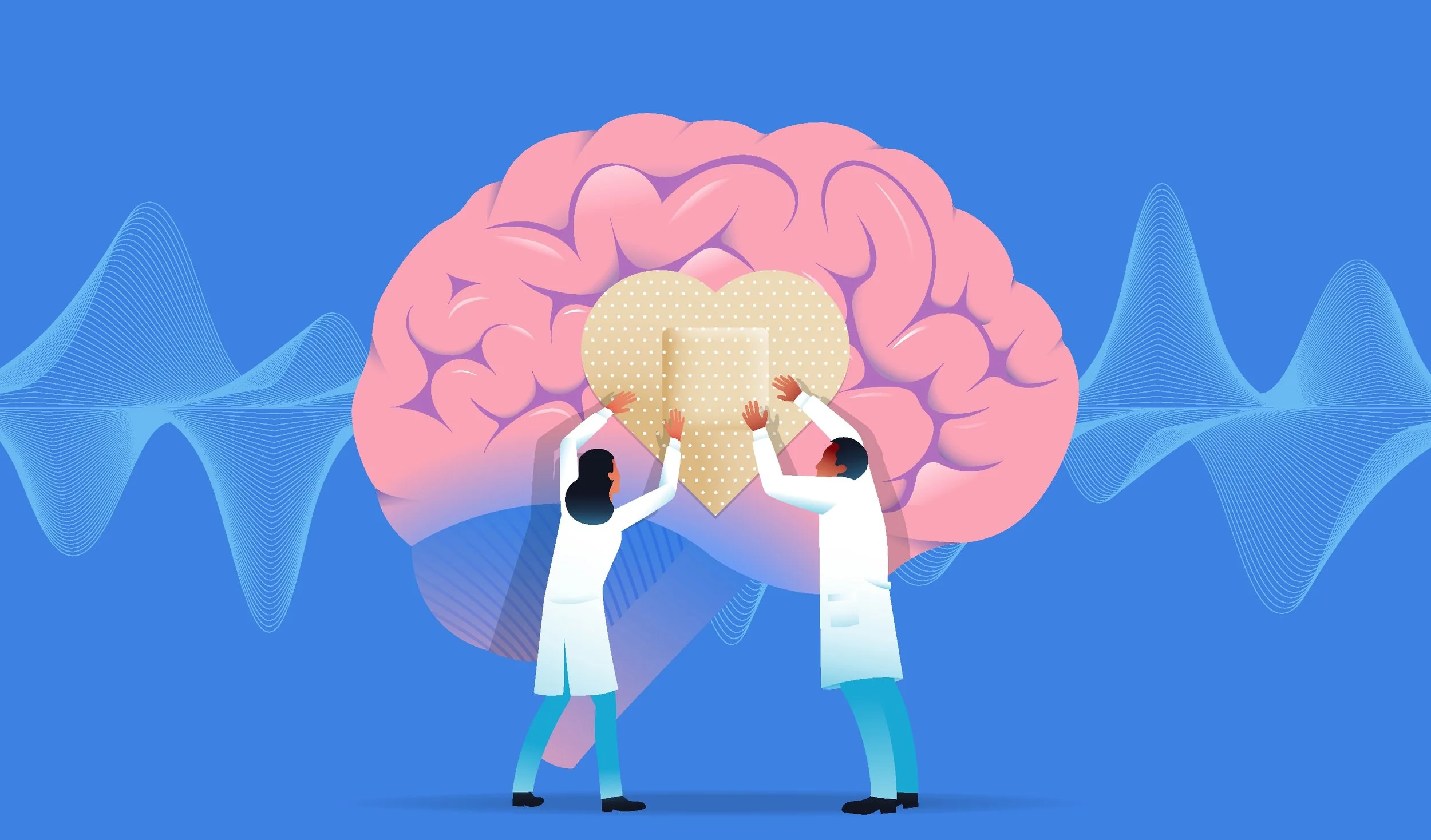
Winter can feel heavier than other seasons. Shorter days, colder temperatures, and the residual stress of the holidays can leave your mind and body feeling off balance. What many people don’t realize is that these feelings are often rooted in your nervous system. How your body responds to stress, cold, and social pressures directly affects your mood, energy, and overall mental health. Understanding and supporting your nervous system can make winter feel less overwhelming and more manageable.
The Mental Health Impact of Overworking: Why So Many People Crash in January
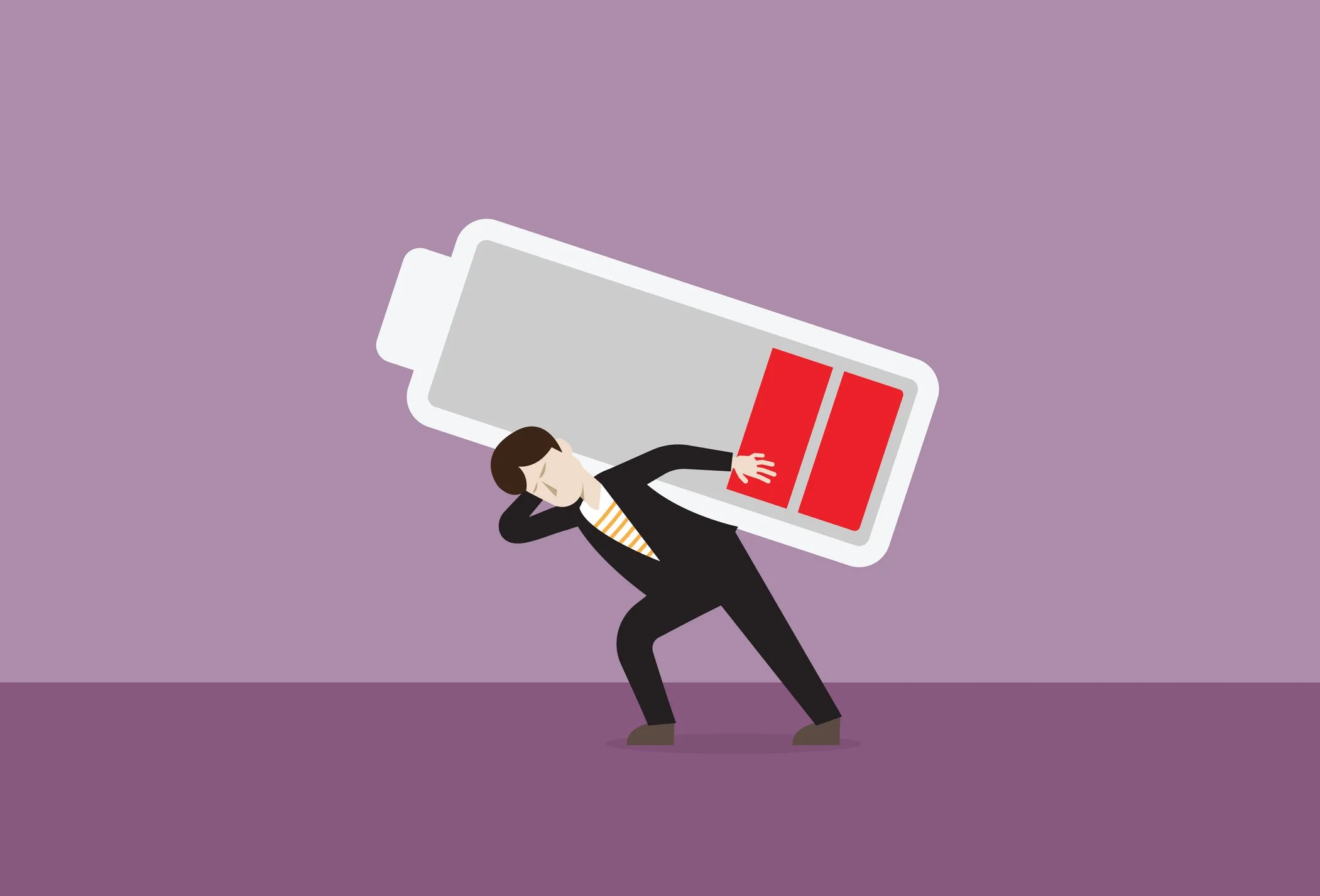
January is often presented as a fresh start, but for many people it feels more like a crash landing. After months of pushing through Q4 deadlines, holiday gatherings, financial stress, travel, and increased responsibilities, the body finally stops, and the exhaustion that was building for weeks shows up all at once.
This experience is more common than people realize. Burnout tends to hit when life finally slows down, not when you are pushing through the chaos. If January feels heavier than you expected, you are not alone, and you are not doing anything wrong. Your body is responding to months of running at full capacity.
Understanding Seasonal Affective Disorder and How to Cope This Winter
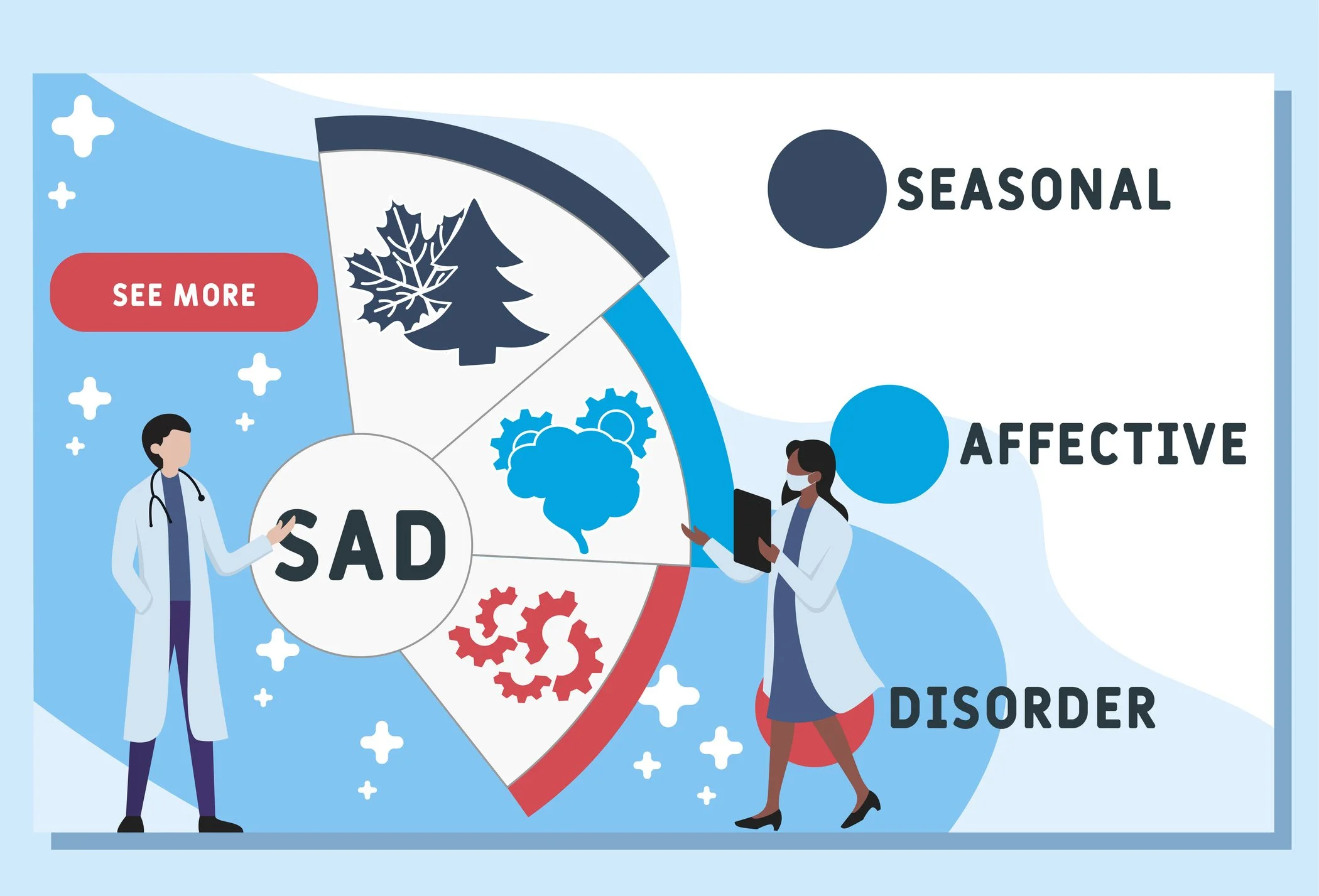
Many people notice their mood changing as winter settles in. Shorter days, colder weather, and long stretches of darkness can take a real toll on emotional well being. For some, these changes lead to Seasonal Affective Disorder. SAD is a type of depression that follows a seasonal pattern, most often appearing in late fall and winter.
If you have been feeling heavier, more tired, or less motivated than usual, you are not alone. SAD is common, and there are proven ways to support your mental health through the darker months. Understanding what is happening inside your body and learning evidence based coping strategies can make this season feel more manageable and less overwhelming.

Beating the Post Holiday Blues: Why You Might Feel Down and How to Recover
The holiday season often brings a mix of joy, connection, and busyness. Once it all ends, many people notice an unexpected shift. The quiet days of January can feel heavier, slower, or strangely empty. If you find yourself feeling low after the holidays, you are not alone. This experience is very common and completely valid.
The post holiday blues are not a sign that something is wrong with you. They are your mind and body reacting to a major change in pace, structure, and emotional energy. With patience and simple routines, you can regain stability and feel more like yourself again.

When the Holidays Feel Hard: Navigating Grief, Loss, and Loneliness
The holiday season is often called the most wonderful time of the year. But for many people, it can also be the hardest. Grief can feel sharper when surrounded by celebration. Loneliness can feel heavier when everyone else seems connected. If this season feels difficult, know that you are not alone. There is nothing wrong with how you feel.
It is okay if your experience of the holidays looks different this year. Healing and joy can exist alongside sadness. Sometimes the bravest thing you can do is simply honor what is true for you in the moment.

The Gift of Presence: How Mindful Connection Can Improve Mental Health
The holiday season often focuses on gifts, parties, and traditions. But sometimes the most meaningful gift you can give yourself or someone else is not something you can wrap. It is your presence. Showing up with attention, compassion, and curiosity can strengthen relationships, ease stress, and improve mental health.
Mindful connection is about being fully present in the moment, noticing your thoughts and feelings without judgment, and tuning in to the people around you. It can transform ordinary holiday interactions into moments of warmth, understanding, and emotional support.

Holiday Financial Stress and Mental Health: Finding Relief and Resources
Learn how to manage holiday financial stress with practical tips that support your mental well-being. Discover ways to budget mindfully, simplify gifting, reduce pressure, and create a meaningful, joyful season without overspending.

Acts of Kindness for Mental Wellness: Small Ways to Make a Big Difference
The holidays are a time of giving, but the simple act of kindness is not only good for others. It’s good for your mental health, too! Research shows that performing small acts of kindness can boost mood, reduce stress, and increase feelings of connection and purpose.
Kindness does not have to be grand or expensive. Even the smallest gestures, repeated regularly, can create a meaningful impact on your well-being and the people around you.