

Alleviant Integrated Mental Health Blog

Earth Day and Mental Health: How Time Outdoors Supports Wellness at Alleviant
At Alleviant, we recognize that mental health care extends beyond therapy sessions. One of the most effective, natural tools for supporting emotional well-being is time spent outdoors. Research consistently shows that exposure to nature reduces stress, boosts mood, and enhances cognitive function. This Earth Day, consider how integrating nature into your routine can complement professional mental health care.
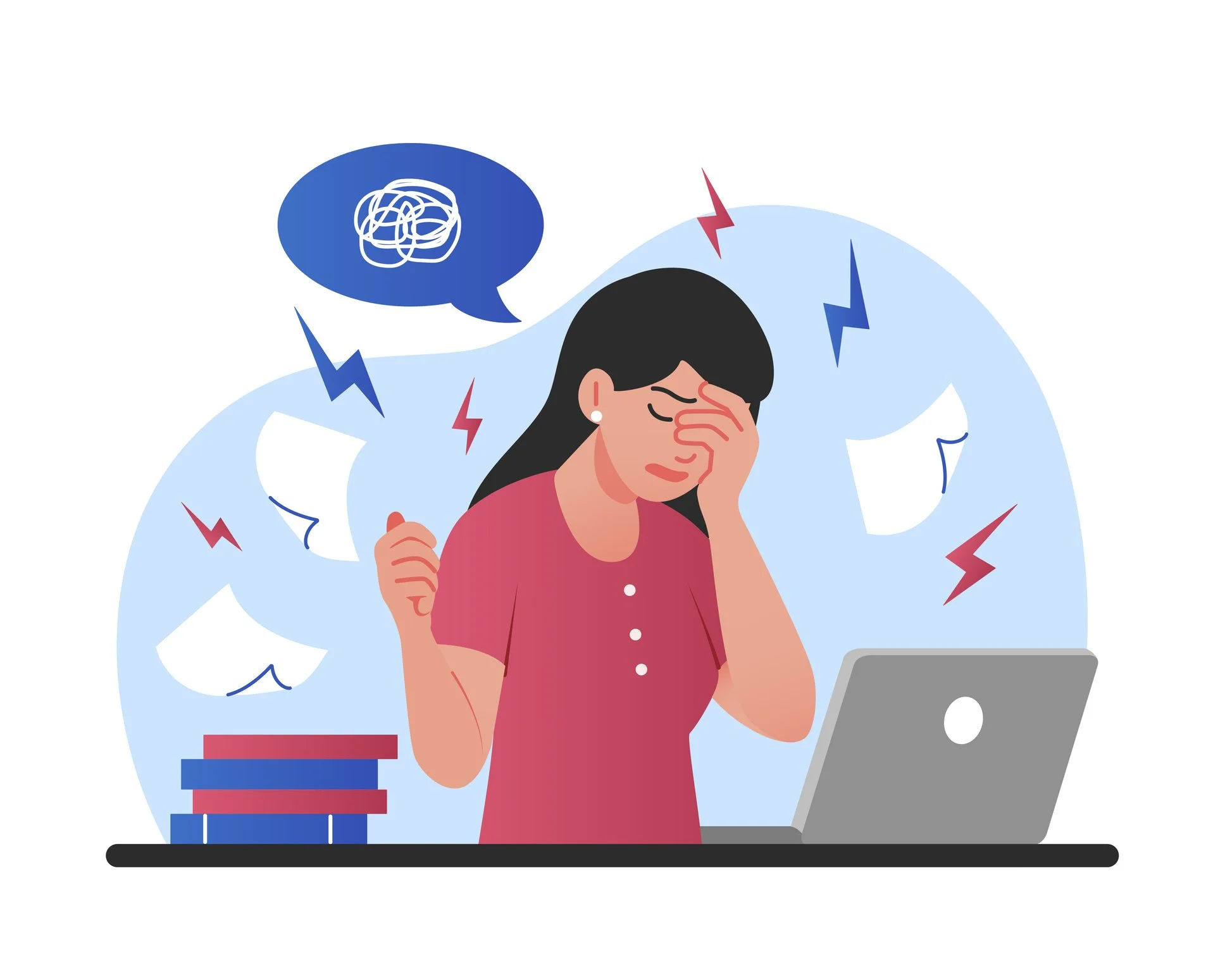
The Connection Between Chronic Stress and Physical Health
April 18 is Stress Awareness Day, a day to recognize the impact of stress on our daily lives and long-term health. Stress is a normal response to challenges, but when it becomes chronic, it can affect every system in the body.
For parents, caregivers, and adults managing busy lives, understanding the connection between stress and physical health is critical. At Alleviant Integrated Mental Health, we work with individuals to identify stress triggers, develop coping strategies, and provide therapies—including PrTMS (Personalized Repetitive Transcranial Magnetic Stimulation)—to support both emotional and physical well-being.

The Power of Validation: Supporting Someone Who Has Experienced Sexual Violence
April is Sexual Assault Awareness and Prevention Month, a time dedicated to raising awareness about sexual violence, supporting survivors, and encouraging prevention through education and community action. While awareness campaigns often focus on prevention and statistics, one of the most powerful ways individuals can support survivors is through something simple but deeply meaningful: validation.
When someone shares that they have experienced sexual violence, the response they receive can have a lasting impact on their healing. Being believed, supported, and respected can help reduce shame, rebuild trust, and create a safer path forward.
Sexual Assault Awareness Month: Understanding Trauma and the Path to Recovery
April is Sexual Assault Awareness Month, a time dedicated to increasing awareness of sexual violence, supporting survivors, and promoting prevention through education and advocacy. One of the most important parts of this awareness is understanding the impact of trauma and recognizing that healing is possible.
Sexual violence can affect survivors in many ways—emotionally, physically, and psychologically. By learning how trauma works and what recovery can look like, we can better support survivors and help reduce the stigma that often surrounds these experiences.

Understanding Sensory Overload and Emotional Regulation in Individuals With Autism
For individuals with autism, daily experiences that may seem ordinary to others can sometimes feel overwhelming. Sensory overload occurs when the brain receives more input than it can process, leading to stress, anxiety, or emotional dysregulation.
As parents and caregivers, understanding sensory overload and its impact on emotional regulation is essential to providing effective support. At Alleviant Integrated Mental Health, we work with individuals of all ages to recognize sensory triggers, teach coping strategies, and offer therapies, including PrTMS, to improve emotional well-being.

Supporting Adults and Children With Autism in Mental Health Care
Providing mental health care for individuals with autism requires understanding, patience, and a personalized approach. Whether you are a parent supporting a child or an adult navigating your own experiences, knowing how to access the right support can make a meaningful difference.
At Alleviant Integrated Mental Health, we work with both children and adults with autism to develop individualized treatment plans that address emotional, cognitive, and social needs.

The Spectrum of Experience: No One-Size-Fits-All in Autism
April is Autism Acceptance Month, a time to promote understanding, inclusion, and respect for individuals on the autism spectrum. For families living with autism, this month is much more than an awareness campaign. It is part of daily life, learning, and growing together.
As parents and caregivers, we quickly realize that there is no single type of autistic experience. Every child, teen, and adult on the spectrum has their own personality, strengths, challenges, and ways of interacting with the world. This is why autism is described as a spectrum.
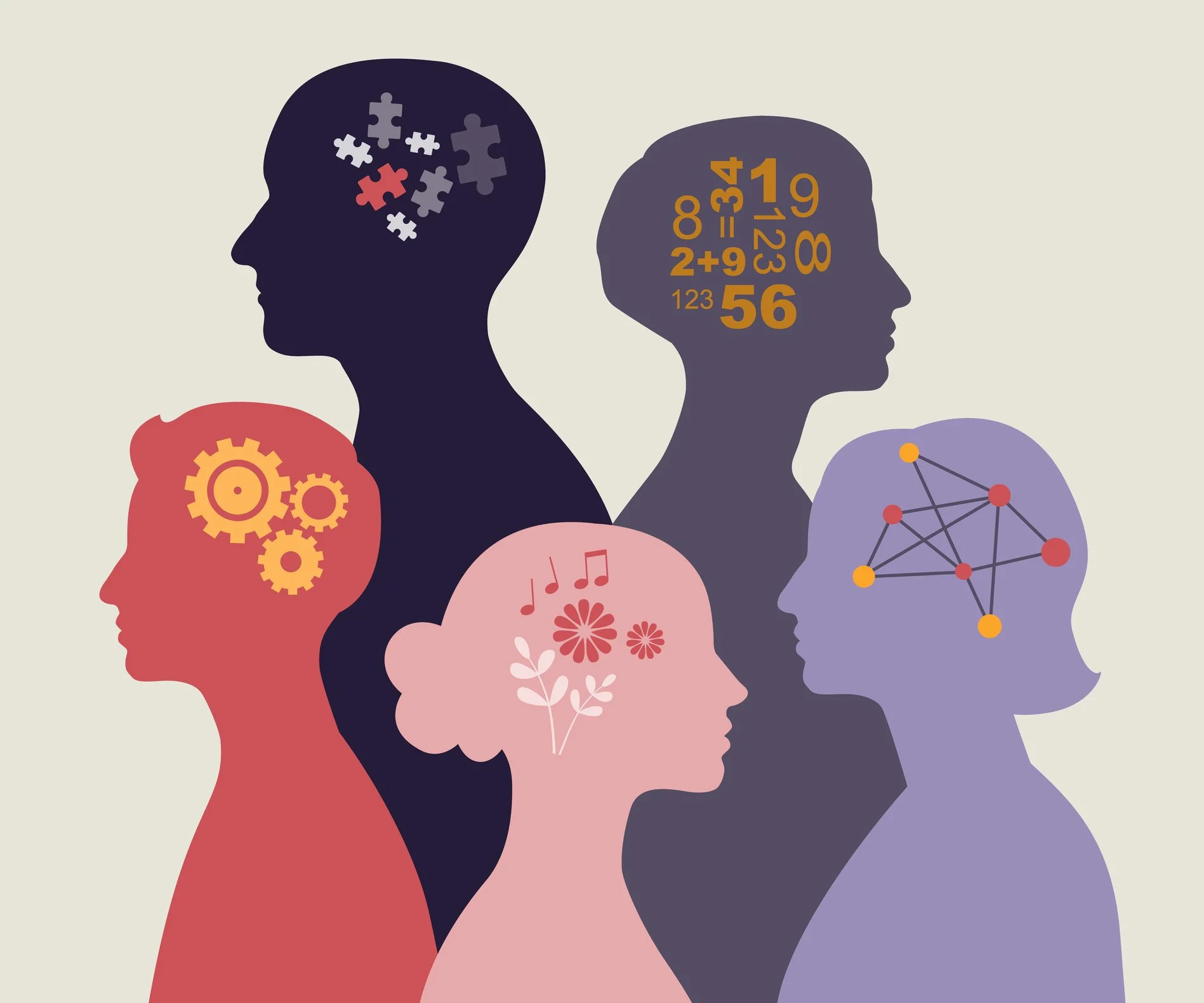
Developmental Disability Awareness Month: Inclusive Care for Neurodivergent Individuals
March is Developmental Disability Awareness Month, a time to celebrate neurodiversity, promote inclusion, and highlight the importance of accessible, supportive care for individuals with developmental and cognitive differences. Neurodivergent individuals, including those with autism, ADHD, learning differences, and other developmental conditions, bring unique strengths and perspectives to our communities. At the same time, they may face barriers to receiving mental health care that meets their needs.
Self-Injury Awareness Day: Reducing Shame and Opening the Conversation
Every year on March 1, Self-Injury Awareness Day gives us a chance to talk about something that is often hidden behind long sleeves, quick subject changes, and quiet suffering.
Self-injury is more common than many people realize. It affects teens, adults, parents, professionals, and people who otherwise seem to be doing “fine.” Yet shame keeps many from speaking up or seeking help. The truth is this: open, compassionate conversations about self-injury can save lives. At Alleviant, we believe healing begins when shame loses its grip.
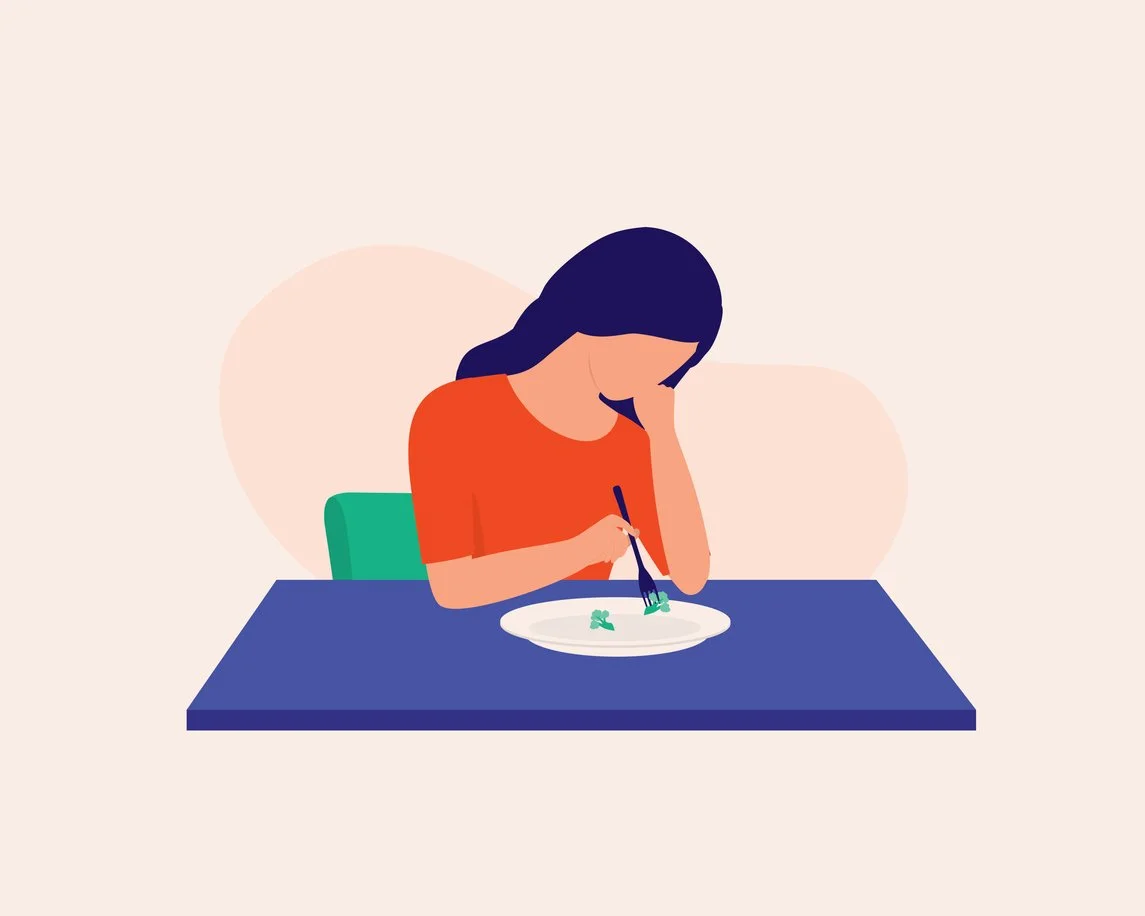
Understanding the Link Between Anxiety, Control, and Eating Behaviors
Eating behaviors are often about more than hunger. For many people, the way they eat reflects a deeper connection to emotional states, stress, and anxiety. Understanding the relationship between anxiety, the need for control, and eating behaviors can help you or a loved one recognize patterns, reduce shame, and build healthier coping strategies.

Rebuilding Connection After Conflict: Nurturing Love and Understanding
February reminds us of love, partnership, and connection. Even the strongest relationships face conflict. Disagreements, misunderstandings, and hurt feelings are natural in shared life. What matters most is how couples respond and how they turn conflict into an opportunity to deepen intimacy, trust, and understanding.
Rebuilding connection after conflict requires intention, empathy, and practice. Using structured exercises, reflection, and small daily habits can help couples repair emotional bonds and strengthen their relationship.

Supporting Black Mental Health: Voices, Visibility, and Healing
Mental health is a fundamental part of wellbeing. For many in the Black community, emotional distress has been misunderstood, minimized, or left without effective support. Supporting Black mental health means listening deeply, honoring lived experience, and expanding access to culturally responsive healing rooted in respect, science, and community strengths. Healing is a human right and essential to overall health.

Acts of Love for Yourself: Mental Wellness Rituals for February
February is often associated with love and romance, but self-love is just as important as the love we give to others. Prioritizing your mental wellness through intentional acts of care can strengthen resilience, reduce stress, and help you feel more connected to yourself. This Valentine’s Day, consider celebrating the relationship you have with yourself.
Self-love does not mean indulgence or selfishness. It means showing kindness, respect, and attention to your own emotional, physical, and mental needs. Small, consistent rituals can build lasting mental wellness and reinforce your sense of worth.

How to Talk to Teens About Healthy Relationships and Emotional Boundaries
Teens are learning what it means to connect with others in meaningful ways. Healthy relationships and clear emotional boundaries are critical skills that support wellbeing, self-esteem, and resilience. Parents, guardians, educators, and mentors play a key role in guiding teens to recognize respect, communication, and consent as the foundations of all relationships.
Teen Dating Violence Awareness: Recognizing Signs and Supporting Safety
Teen dating relationships can teach communication, empathy, and emotional growth. However, not all relationships are healthy. Teen dating violence (TDV) affects young people across all backgrounds and can have lasting emotional, physical, and social consequences. Awareness, recognition, and safe support are essential for helping teens navigate relationships with confidence.
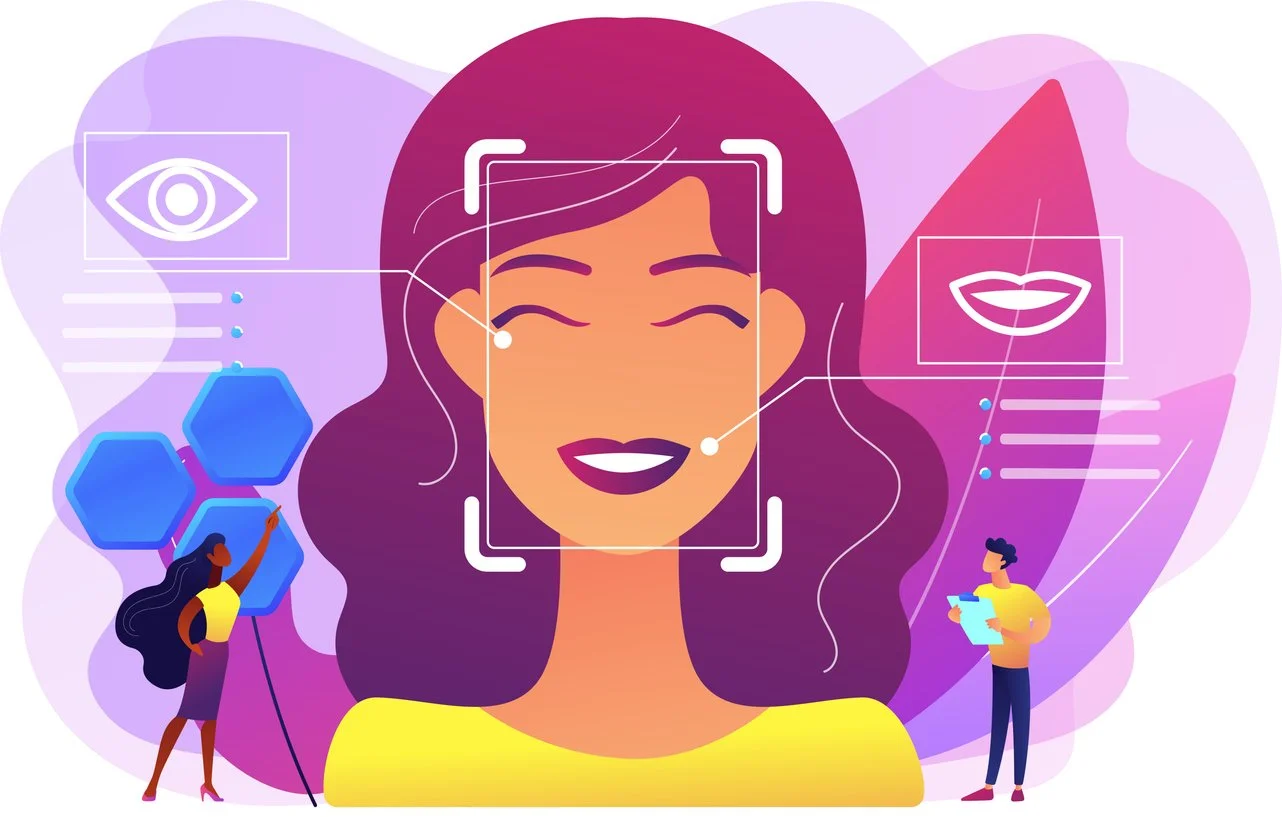
Self-Compassion as Heart Care: Healing from the Inside Out
When we think about heart health, we often focus on physical behaviors like diet, exercise, and medical screenings. While these remain important, research increasingly shows that how we relate to ourselves emotionally also plays a meaningful role in both mental and physical wellbeing. Self-compassion, or responding to yourself with kindness during difficulty, can support heart health from the inside out.
During American Heart Month, it’s worth highlighting that caring for your heart includes caring for the way you respond to stress and emotional pain.
Honoring American Heart Month: The Role of Mental Health in Heart Health
February is American Heart Month, a time to raise awareness about cardiovascular health and prevention. While diet, exercise, and medical risk factors like cholesterol and blood pressure are often emphasized, there is another powerful driver of heart health that deserves equal attention: mental health.
A growing body of research shows that emotional wellbeing and cardiovascular health are deeply interconnected. Scientific evidence suggests that stress, anxiety, and depression do not just influence how we feel — they have measurable effects on the body that can increase the risk of heart disease and related conditions.
Human Trafficking Awareness Day: Understanding Trauma and the Path to Recovery
January 11 is Human Trafficking Awareness Day. It is a day to honor survivors, educate our communities, and shine a light on an issue that often stays hidden. Human trafficking is not only a violation of safety and freedom. It also leaves deep emotional, psychological, and physical scars that can shape how a person sees the world and themselves long after the event ends.
At Alleviant, we believe healing is possible. The journey is not simple or fast, but with compassionate support, survivors can rebuild a sense of safety, identity, and hope. Understanding how trauma affects the brain and body is an important part of that process.

Reflecting on Your Mental Health Journey: Celebrating Progress and Growth
As the days grow shorter and the winter months settle in, many people notice a shift in mood, energy, and motivation. Less sunlight, colder temperatures, and longer nights can make it harder to maintain routines and prioritize well-being.
This is a natural response, and it is especially important to practice self-care during the winter months. Thoughtful rituals can support your mental health, boost energy, and help you feel grounded even when the season feels long or challenging.

You Can’t Pour From an Empty Cup: Mental Health Tips for Parents of Children with Autism During the Holidays
November is National Family Caregivers Month, a time to recognize the incredible dedication of those who care for others. For parents and caregivers of children with autism, that care often extends far beyond daily routines. It is a full-time act of love, advocacy, and patience.
The holiday season can bring both joy and stress. Changes in routine, sensory overload, social expectations, and travel can create challenges that make it hard for families to truly rest. For caregivers, the pressure to make things special for everyone can lead to exhaustion and guilt.
At Alleviant, we see the quiet strength it takes to care for a child with autism every day. This month, and every month, we want to remind you that your well-being matters too.