

Alleviant Integrated Mental Health Blog

How Therapy Helps the Brain Heal from Stress and Trauma
April is National Counseling Awareness Month, a time to highlight the role therapy plays in helping individuals and families navigate stress, anxiety, and trauma.
As parents, caregivers, or even adults trying to manage everything life throws at us, it is easy to think of stress as just part of life. But when stress becomes overwhelming or long-lasting, it can actually change how the brain functions. The good news is that therapy is not just supportive. It is one of the most effective ways to help the brain heal and recover.
At Alleviant Integrated Mental Health, we often remind families that healing is not about “fixing” someone. It is about giving the brain the support it needs to regulate, adapt, and grow stronger over time.

Different Types of Therapy: Finding the Right Fit for You
During National Counseling Awareness Month, many individuals and families begin exploring therapy for the first time. One of the most common questions is simple but important: What type of therapy is right for me or my child?
The answer is that therapy is not one-size-fits-all. Just like every person’s experience with stress, anxiety, or trauma is different, the approach to treatment should be tailored to the individual.
At Alleviant Integrated Mental Health, we help individuals and families understand their options and find the right combination of therapies to support long-term healing and growth.
Sexual Assault Awareness Month: Understanding Trauma and the Path to Recovery
April is Sexual Assault Awareness Month, a time dedicated to increasing awareness of sexual violence, supporting survivors, and promoting prevention through education and advocacy. One of the most important parts of this awareness is understanding the impact of trauma and recognizing that healing is possible.
Sexual violence can affect survivors in many ways—emotionally, physically, and psychologically. By learning how trauma works and what recovery can look like, we can better support survivors and help reduce the stigma that often surrounds these experiences.
Women’s History Month: Women’s Mental Health – Stories of Strength and Healing
March is Women’s History Month, a time to celebrate women’s achievements, resilience, and voices. It is also a time to focus on women’s mental health, which comes with its own unique challenges and victories. Women are more likely than men to experience certain mood disorders, anxiety, and stress related to caregiving responsibilities, relationships, hormonal shifts, and societal pressures. Recognizing these experiences helps us promote care that is compassionate, informed, and empowering.
At Alleviant, we believe every woman’s mental health journey matters. Sharing stories of strength and healing can help reduce stigma, inspire hope, and remind women that they are not alone in their experiences.

National Drug and Alcohol Facts Week: When Self-Medication Becomes a Cry for Help
National Drug and Alcohol Facts Week, March 17 through 23, is a reminder to look honestly at how substance use affects health and mental wellbeing. Many people turn to alcohol, prescription medications, or other substances as a way to cope with stress, anxiety, depression, or trauma. At first, it may feel like a temporary relief. Over time, however, self-medicating can become a sign that the underlying challenges need attention.
Brain Awareness Week: Understanding Burnout and What Your Brain Is Telling You
Burnout is more than feeling tired at the end of a long day. It is a state of physical, emotional, and mental exhaustion that develops over time. During Brain Awareness Week, March 16 through 22, it is worth paying attention to what burnout is telling you about how your brain and body are coping with stress.
At Alleviant, we see burnout as a signal, not a personal failure. When the brain is constantly under pressure, it starts to show warning signs. Recognizing these early signals can help you take steps before exhaustion impacts your health, relationships, or performance.

Building a Bedtime Routine That Supports Mental Wellness
Most people know sleep matters. Fewer people realize how much the hour before bed shapes the quality of that sleep and, in turn, mental health. A bedtime routine is not about being rigid or doing everything perfectly. It is about helping your brain and body transition out of survival mode and into rest. When that transition does not happen, sleep becomes shallow, fragmented, or hard to reach at all.
At Alleviant, we often see that improving the bedtime routine can be one of the most practical ways to support mood, anxiety, focus, and emotional regulation.

National Sleep Awareness Week: When Rest Is Missing, Everything Feels Harder
We often treat sleep like a reward, like it’s something we get only after everything else is done. The problem is that everything else depends on it. During National Sleep Awareness Week, March 8 through 14, it’s worth pausing to notice a pattern many of us have quietly accepted as normal: running on fumes, waking up already tired, and pushing through brain fog with caffeine and sheer willpower. Poor sleep doesn’t just make you tired. It changes how you feel, how you think, and how well you handle life.
At Alleviant, we see it every day. When sleep improves, mood often lifts. Thinking becomes clearer. Stress feels more manageable. When sleep deteriorates, everything can unravel quickly.
Self-Injury Awareness Day: Reducing Shame and Opening the Conversation
Every year on March 1, Self-Injury Awareness Day gives us a chance to talk about something that is often hidden behind long sleeves, quick subject changes, and quiet suffering.
Self-injury is more common than many people realize. It affects teens, adults, parents, professionals, and people who otherwise seem to be doing “fine.” Yet shame keeps many from speaking up or seeking help. The truth is this: open, compassionate conversations about self-injury can save lives. At Alleviant, we believe healing begins when shame loses its grip.
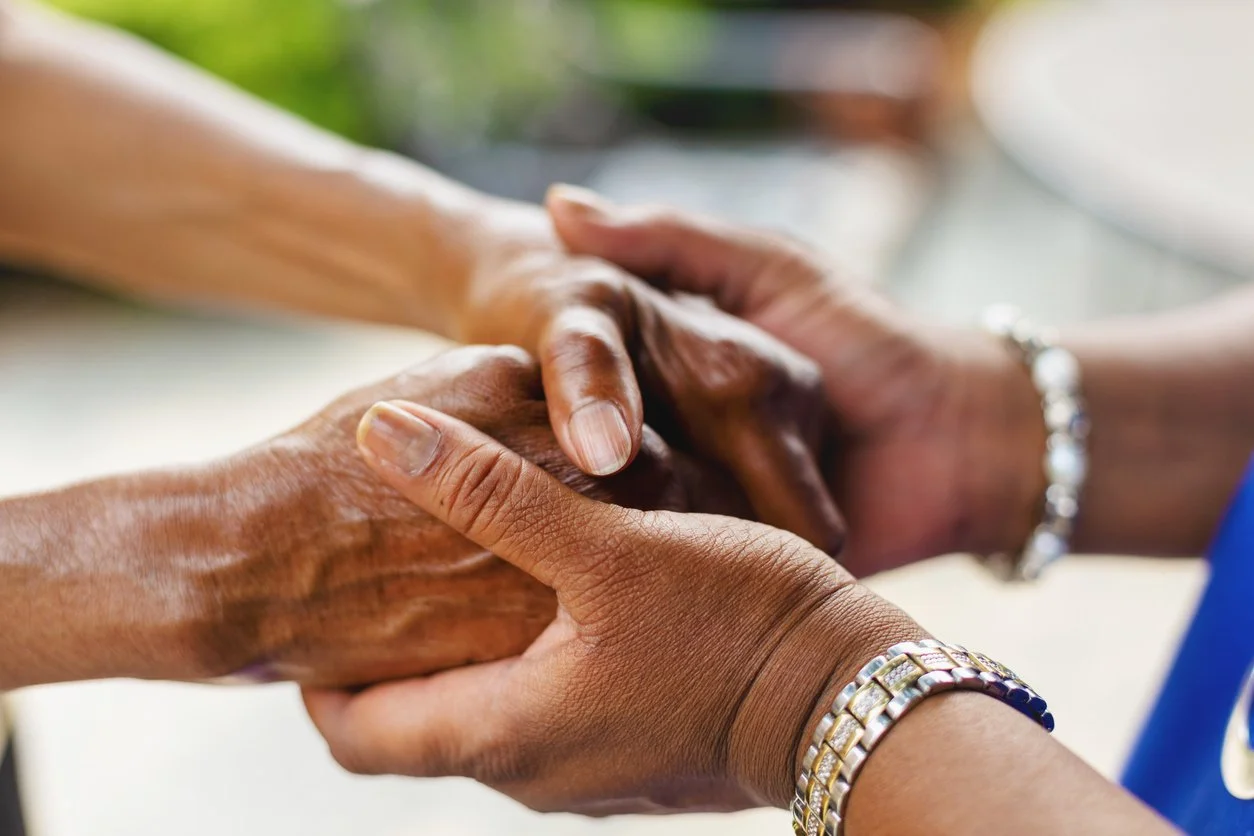
Supporting Black Mental Health: Voices, Visibility, and Healing
Mental health is a fundamental part of wellbeing. For many in the Black community, emotional distress has been misunderstood, minimized, or left without effective support. Supporting Black mental health means listening deeply, honoring lived experience, and expanding access to culturally responsive healing rooted in respect, science, and community strengths. Healing is a human right and essential to overall health.
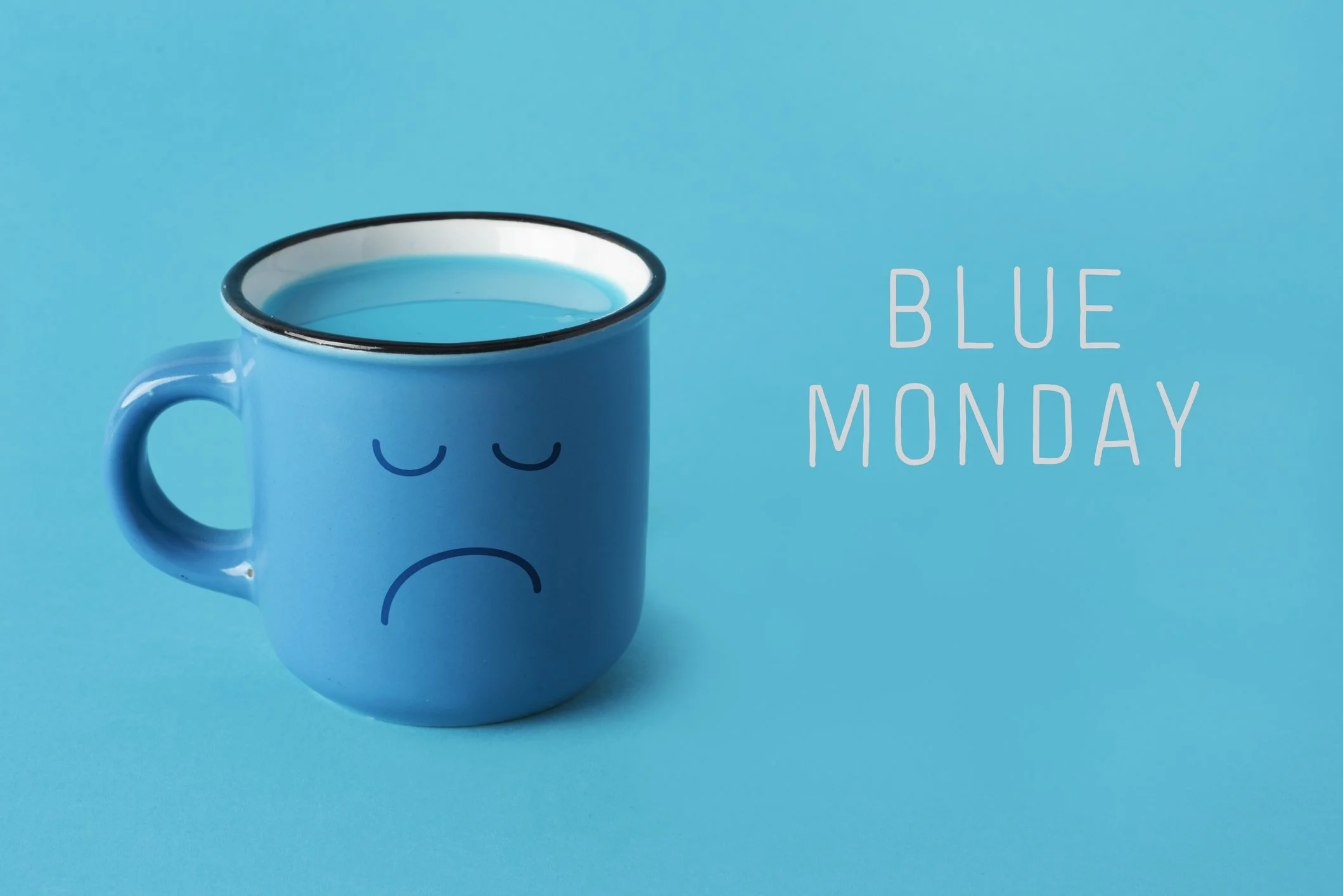
Why Blue Monday Is Not the End of Hope and How to Lift Your Mood
Every January, the third Monday of the month is often labeled as “Blue Monday.” It has a reputation for being the saddest day of the year, mostly because of winter weather, post holiday fatigue, financial stress, and the slow return to routine. While the idea itself is more myth than science, the feelings behind it are very real. Many people notice their mood dipping in mid January, and that experience deserves care, not dismissal.
If this day feels heavy for you, it does not mean you are failing or that the rest of the season will be hard. It simply means your mind and body are responding to stress, darkness, or a shift in routine. There are gentle ways to support yourself and small steps that can make this time feel lighter.
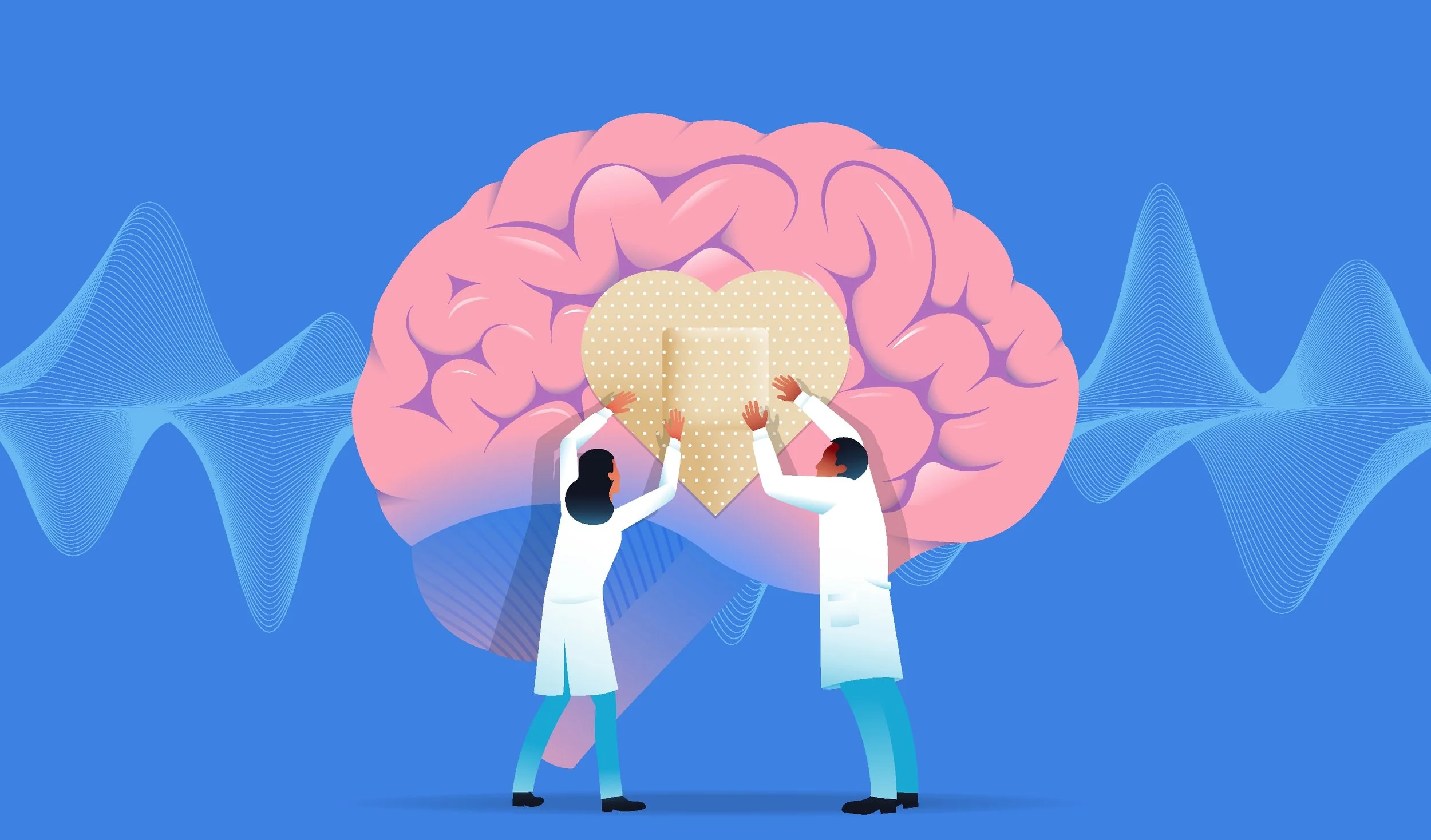
What Your Nervous System Needs This Winter: A Guide to Regulation
Winter can feel heavier than other seasons. Shorter days, colder temperatures, and the residual stress of the holidays can leave your mind and body feeling off balance. What many people don’t realize is that these feelings are often rooted in your nervous system. How your body responds to stress, cold, and social pressures directly affects your mood, energy, and overall mental health. Understanding and supporting your nervous system can make winter feel less overwhelming and more manageable.

The Role of Peer Support in Veteran Mental Health Recovery
For many veterans, the transition from military life to civilian life can feel isolating. Even during the holidays, when everyone else seems to be celebrating, veterans may feel disconnected from friends, family, or their communities. Peer support can be a powerful tool to bridge that gap, helping veterans feel seen, understood, and supported.
Peer support isn’t therapy in the traditional sense, but it is a form of connection that can make recovery from depression, anxiety, trauma, or PTSD feel less lonely. It works because it comes from people who have shared similar experiences and understand what it’s like to serve.

Substance Use Prevention Starts With Mental Health
Red Ribbon Week is a time to raise awareness about substance use prevention and encourage healthy choices for all ages. While education about drugs and alcohol is important, one of the most effective ways to prevent substance misuse starts with mental health.
At Alleviant Integrated Mental Health, we know that emotional well-being, coping skills, and early support are key to reducing the risk of substance use.

Coping with Trauma Anniversaries in Summer: Signs, Triggers & Support
For some, summer brings warmth, sunshine, and celebration. But for others, it’s a time when old pain resurfaces, sometimes without warning. If you find yourself feeling anxious, heavy, or emotionally distant during the summer months, you may be experiencing the effects of a trauma anniversary.
At Alleviant, we want you to know this is real, and you are not alone. Whether the anniversary is connected to a loss, a traumatic event, or a difficult season of life, your body and mind may hold onto the memory even if you’re not consciously thinking about it.
Understanding what’s happening and how to care for yourself through it can help you move through this season with more compassion and support.

Fireworks and Flashbacks: Navigating PTSD Around the Fourth of July
The Fourth of July is meant to be a celebration. Cookouts, sparklers, time with family, and fireworks lighting up the night sky. But if you’re living with PTSD, this holiday can feel like something entirely different. The loud pops, crowded events, and unpredictability can trigger intense reactions that are hard to explain and even harder to control.
At Alleviant, we understand that for many people, the Fourth isn’t easy. You’re not alone, and you don’t have to just push through it. With the right tools and support, you can take care of yourself and get through the day in a way that feels safe for you.

Migraines and Mental Health: Treating the Root, Not Just the Pain
Migraines aren’t just headaches—they are neurological storms that can disrupt every part of life. Whether you’re sidelined by pain once a month or suffering chronically, the key to lasting relief is to understand what’s actually happening inside the brain.
At Alleviant, we treat migraines not as a surface symptom, but as a signal of deeper dysfunction. Using non-invasive brain mapping and natural therapies, we help restore balance and empower long-term healing.

Why ADHD Is Often Misdiagnosed — and What You Can Do About It
Struggling to focus? Feeling disorganized, restless, or distracted? You might assume it’s ADHD. But those same symptoms are also caused by anxiety or trauma, poor sleep, nutritional deficiencies, technology overuse, or inflammatory foods. That’s why, at Alleviant, we never rush to label someone with ADHD. Instead, we use spectral EEG (sEEG) to look at the brain’s real-time activity and determine what’s actually going on — whether it’s ADHD or something else entirely.