Celebrating Diversity: Mental Health and Cultural Holiday Traditions
The holiday season is a time of reflection, connection, and celebration. Around the world, different cultures and faiths observe meaningful traditions that bring families and communities together. These rituals offer comfort, structure, and a sense of belonging, which can be especially important during a season that can also bring stress, expectations, or emotional challenges. By approaching these celebrations mindfully, we can support mental health while honoring cultural heritage and creating meaningful moments.
Christmas: Celebrating Joy and Connection

For many, Christmas is a time for family, giving, and creating memories. Beyond decorating homes, exchanging gifts, and sharing festive meals, Christmas traditions offer opportunities to strengthen social bonds and practice gratitude. Simple activities like trimming the tree, lighting candles, or listening to holiday music can provide moments of mindfulness and presence amid the busy season.
The holiday spirit encourages reflection on what matters most: relationships, shared experiences, and acts of kindness. Baking together, volunteering, or writing thoughtful cards fosters connection and emotional fulfillment. These traditions can provide structure and comfort, helping to reduce stress while cultivating joy and resilience.
Hanukkah: Lighting the Way to Resilience
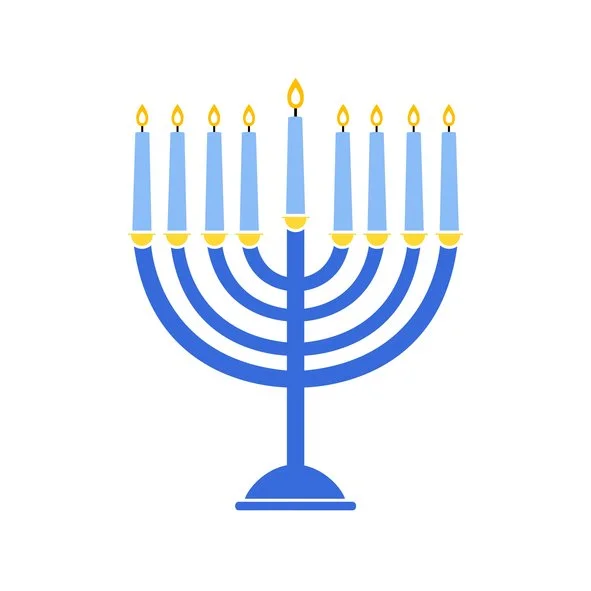
Hanukkah, the Jewish Festival of Lights, typically falls in December and spans eight nights. It commemorates the rededication of the Second Temple in Jerusalem and the miracle of the oil that burned for eight days. Traditions include lighting the menorah, spinning the dreidel, and sharing foods like latkes and sufganiyot.
These rituals create a sense of continuity and cultural identity while providing moments for reflection and gratitude. Lighting the menorah each night can serve as a grounding ritual, helping individuals focus and appreciate small moments of joy. Shared celebrations with family and friends strengthen connections, foster hope, and encourage emotional resilience, providing a sense of purpose during the busy season.
Kwanzaa: Honoring Heritage and Community
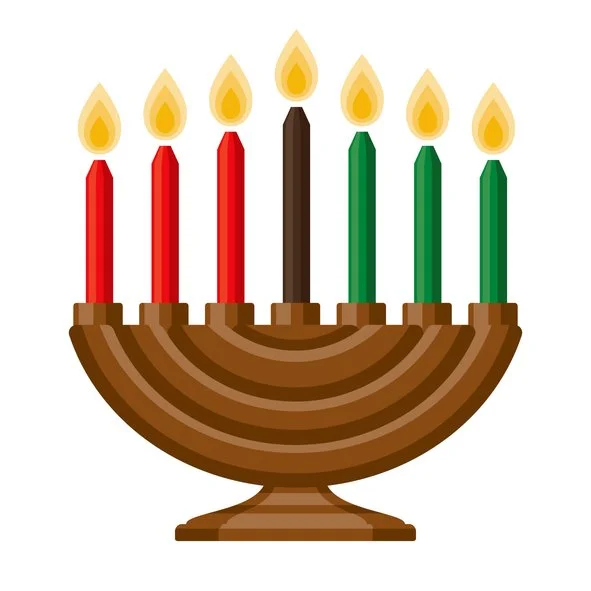
Observed from December 26 to January 1, Kwanzaa celebrates African heritage through seven principles, including unity, creativity, responsibility, and collective work. Lighting the kinara, sharing stories, singing music, and enjoying communal meals are central traditions.
By reflecting on these principles, participants cultivate a sense of belonging, purpose, and mindfulness. Kwanzaa encourages intentionality in relationships, family life, and community involvement. These celebrations strengthen emotional resilience, help manage stress, and create meaningful connections, fostering both joy and mental well-being.
Bodhi Day: Honoring Mindfulness and Reflection

Bodhi Day, celebrated on December 8, marks the day Siddhartha Gautama attained enlightenment. Observances include meditation, reading teachings, and reflecting on compassion and wisdom.
These practices offer structured moments to pause, reflect, and center the mind, helping reduce stress and cultivate inner calm. Engaging in mindful rituals, journaling, or meditation on Bodhi Day encourages emotional resilience, strengthens awareness, and fosters a sense of peace during the often hectic holiday season.
Yule: A Time for Renewal

Yule, celebrated around the winter solstice, marks the longest night of the year and the gradual return of light. Traditions include lighting candles, decorating with greenery, feasting, and celebrating with loved ones. Yule rituals emphasize reflection, renewal, and hope. Taking time to honor the changing seasons helps release stress, set intentions, and reconnect with oneself and the community. Simple acts, like lighting a candle to symbolize the returning sun or sharing a reflective meal, bring grounding, perspective, and joy, supporting both emotional and mental well-being.
The Mental Health Benefits of Holiday Traditions
Participating in cultural and holiday traditions offers more than celebration. These rituals can:
Create a sense of belonging by strengthening social and familial connections.
Provide structure and comfort, reducing stress and uncertainty during a busy season.
Encourage mindfulness and reflection, allowing intentional presence and gratitude.
Support emotional resilience, offering opportunities to process feelings, strengthen coping skills, and foster hope.
Even with their benefits, holidays can bring stress, especially when juggling multiple traditions or expectations. Mindful approaches can help maintain balance:
Prioritize traditions that matter most to you and your loved ones.
Adapt rituals to fit your needs, creating smaller or hybrid celebrations if needed.
Engage with your community for support, connection, and shared purpose.
Practice self-care, including rest, nutrition, and boundaries to maintain well-being.
Embracing Diversity With Intention
For families blending multiple traditions, the holidays are an opportunity to learn, share, and create meaningful experiences. Teaching children about different celebrations, sharing stories, or creating new rituals fosters understanding, joy, and emotional growth. At Alleviant Integrated Mental Health, we encourage individuals and families to explore cultural traditions thoughtfully. Honoring heritage, community, and personal well-being strengthens emotional resilience and helps make the holiday season inclusive, joyful, and restorative.