

Alleviant Integrated Mental Health Blog
Women’s History Month: Women’s Mental Health – Stories of Strength and Healing
March is Women’s History Month, a time to celebrate women’s achievements, resilience, and voices. It is also a time to focus on women’s mental health, which comes with its own unique challenges and victories. Women are more likely than men to experience certain mood disorders, anxiety, and stress related to caregiving responsibilities, relationships, hormonal shifts, and societal pressures. Recognizing these experiences helps us promote care that is compassionate, informed, and empowering.
At Alleviant, we believe every woman’s mental health journey matters. Sharing stories of strength and healing can help reduce stigma, inspire hope, and remind women that they are not alone in their experiences.
Mental Health in America: Understanding the Decline
For the first time in over two decades, fewer than 30% of Americans describe their mental health as "excellent." This isn't just a statistic, it represents millions of people struggling with their emotional wellbeing. Just six years ago, before the COVID-19 pandemic, 43% of us felt confident about our mental health.¹ Today, that number has fallen to 29%.¹

When Willpower Isn’t Enough: Understanding the Mental Health Side of Lifestyle Changes
Every January, many of us set intentions to improve our physical health. We resolve to exercise more, eat healthier, lose weight, or quit substances. But even the most well-intentioned plans can feel emotionally exhausting, and progress often stalls. That doesn’t mean you lack discipline. More often, it means that the emotional and mental aspects of change are being overlooked.
Human Trafficking Awareness Day: Understanding Trauma and the Path to Recovery
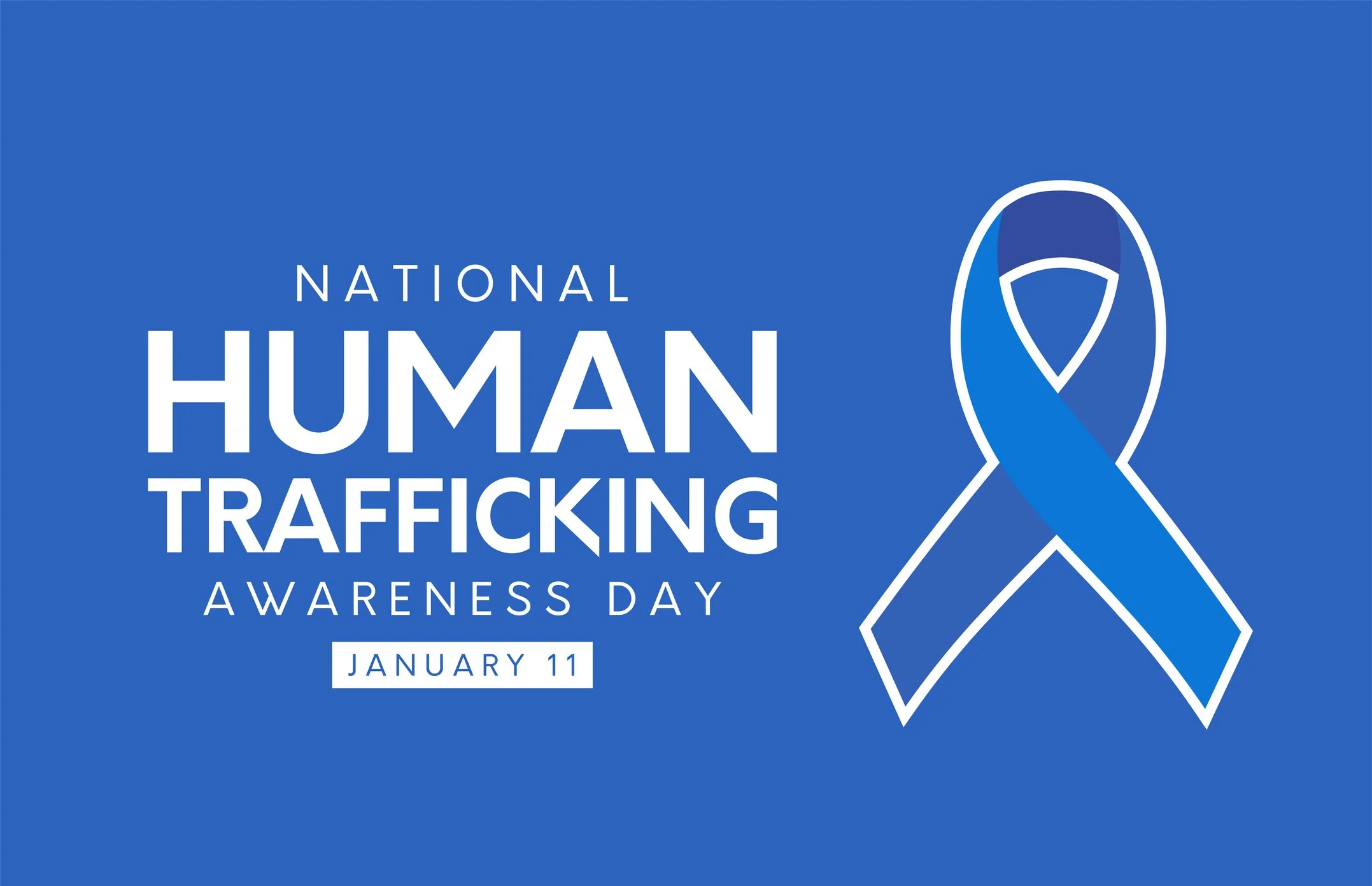
January 11 is Human Trafficking Awareness Day. It is a day to honor survivors, educate our communities, and shine a light on an issue that often stays hidden. Human trafficking is not only a violation of safety and freedom. It also leaves deep emotional, psychological, and physical scars that can shape how a person sees the world and themselves long after the event ends.
At Alleviant, we believe healing is possible. The journey is not simple or fast, but with compassionate support, survivors can rebuild a sense of safety, identity, and hope. Understanding how trauma affects the brain and body is an important part of that process.

Reflecting on Your Mental Health Journey: Celebrating Progress and Growth
As the days grow shorter and the winter months settle in, many people notice a shift in mood, energy, and motivation. Less sunlight, colder temperatures, and longer nights can make it harder to maintain routines and prioritize well-being.
This is a natural response, and it is especially important to practice self-care during the winter months. Thoughtful rituals can support your mental health, boost energy, and help you feel grounded even when the season feels long or challenging.

How to Create New Traditions That Nourish Your Mental Health
The holiday season is often full of long-standing traditions. For some, these rituals bring joy, laughter, and a sense of belonging. For others, the same traditions can feel heavy, stressful, or out of step with how life looks now. Maybe the old ways feel too busy, too loud, or too emotionally charged. Maybe the holidays themselves feel overwhelming.
This year, consider creating new traditions that nurture your mental health. New traditions give you permission to honor your needs, connect with others in meaningful ways, and bring more calm and joy into the season. They do not have to be complicated or expensive. Even small, simple rituals can make a big difference in how you feel.

Holiday Parties and Social Anxiety: How to Show Up and Take Care of Yourself
The holidays often come with invitations, gatherings, and celebrations. For many, these moments are joyful. But for some, social events can trigger anxiety. The pressure to be cheerful, make small talk, or navigate crowded rooms can feel overwhelming.
If the idea of a holiday party makes your chest tighten or your thoughts race, you are not alone. Social anxiety is common, and there are ways to show up that honor both your boundaries and your well-being.

When the Holidays Feel Hard: Navigating Grief, Loss, and Loneliness
The holiday season is often called the most wonderful time of the year. But for many people, it can also be the hardest. Grief can feel sharper when surrounded by celebration. Loneliness can feel heavier when everyone else seems connected. If this season feels difficult, know that you are not alone. There is nothing wrong with how you feel.
It is okay if your experience of the holidays looks different this year. Healing and joy can exist alongside sadness. Sometimes the bravest thing you can do is simply honor what is true for you in the moment.

The Gift of Presence: How Mindful Connection Can Improve Mental Health
The holiday season often focuses on gifts, parties, and traditions. But sometimes the most meaningful gift you can give yourself or someone else is not something you can wrap. It is your presence. Showing up with attention, compassion, and curiosity can strengthen relationships, ease stress, and improve mental health.
Mindful connection is about being fully present in the moment, noticing your thoughts and feelings without judgment, and tuning in to the people around you. It can transform ordinary holiday interactions into moments of warmth, understanding, and emotional support.

Holiday Financial Stress and Mental Health: Finding Relief and Resources
Learn how to manage holiday financial stress with practical tips that support your mental well-being. Discover ways to budget mindfully, simplify gifting, reduce pressure, and create a meaningful, joyful season without overspending.

Acts of Kindness for Mental Wellness: Small Ways to Make a Big Difference
The holidays are a time of giving, but the simple act of kindness is not only good for others. It’s good for your mental health, too! Research shows that performing small acts of kindness can boost mood, reduce stress, and increase feelings of connection and purpose.
Kindness does not have to be grand or expensive. Even the smallest gestures, repeated regularly, can create a meaningful impact on your well-being and the people around you.

Celebrating Diversity: Mental Health and Cultural Holiday Traditions
The holiday season is a time of reflection, connection, and celebration. Around the world, different cultures and faiths observe meaningful traditions that bring families and communities together. These rituals offer comfort, structure, and a sense of belonging, which can be especially important during a season that can also bring stress, expectations, or emotional challenges. By approaching these celebrations mindfully, we can support mental health while honoring cultural heritage and creating meaningful moments.

Preparing Your Mental Health for the Holidays: A November Checklist
The holidays can bring a mix of emotions. For some, they’re full of joy and connection. For others, they bring stress, grief, or loneliness. It’s easy to feel pressure to make everything perfect, keep everyone happy, or live up to expectations that feel impossible.
Before the season begins, take time to prepare your mental health, just like you’d plan meals, travel, or gifts. A little awareness and structure in November can help you enter the holidays calmer, grounded, and more present.
The 10-Minute Mental Health Check-In You Can Do Every Day
Life gets busy and it’s easy to let your mental health take a backseat. But spending just 10 minutes a day checking in with yourself can make a big difference. This simple practice helps you notice how you’re feeling, manage stress before it builds, and keep your emotions balanced.
You don’t need special tools or training, but rather, just a little time and kindness toward yourself.

How to Talk to Your Child About Mental Health
Talking about mental health with kids can feel tricky, even for the most loving and attentive parents. Maybe you’re not sure what to say. Maybe you don’t want to scare them or say the wrong thing. Or maybe you’re worried that bringing it up will make things worse.
But here’s the truth: your child doesn’t need perfect words. They need your presence. They need to know it’s okay to talk about feelings, especially the hard ones.
When mental health becomes something we talk about openly, it loses some of its power to scare or isolate. It becomes something we care for—together.

Whole-Family Mental Health: How Caregiver Stress Affects Children
Mental health is something the whole family feels. When a parent or caregiver is stressed, it doesn’t just stay with them. It affects everyone in the home, especially children. At Alleviant, we know that caring for kids means caring for the entire family, including the emotional health of those who take care of them.
Caregiver stress can come from many places. It might be work, money worries, health problems, or just the everyday challenges of parenting. Feeling overwhelmed sometimes is normal. But when stress sticks around for a long time, it can impact not only your own health but also how your children feel and behave.

The Mental Load of Summer Parenting: How to Cope with Feeling Touched Out
Summer can be a beautiful season for families, filled with longer days, playtime, adventures, and memories in the making. But behind the scenes, many parents, especially moms and primary caregivers, are carrying an invisible weight: the mental load of summer parenting.
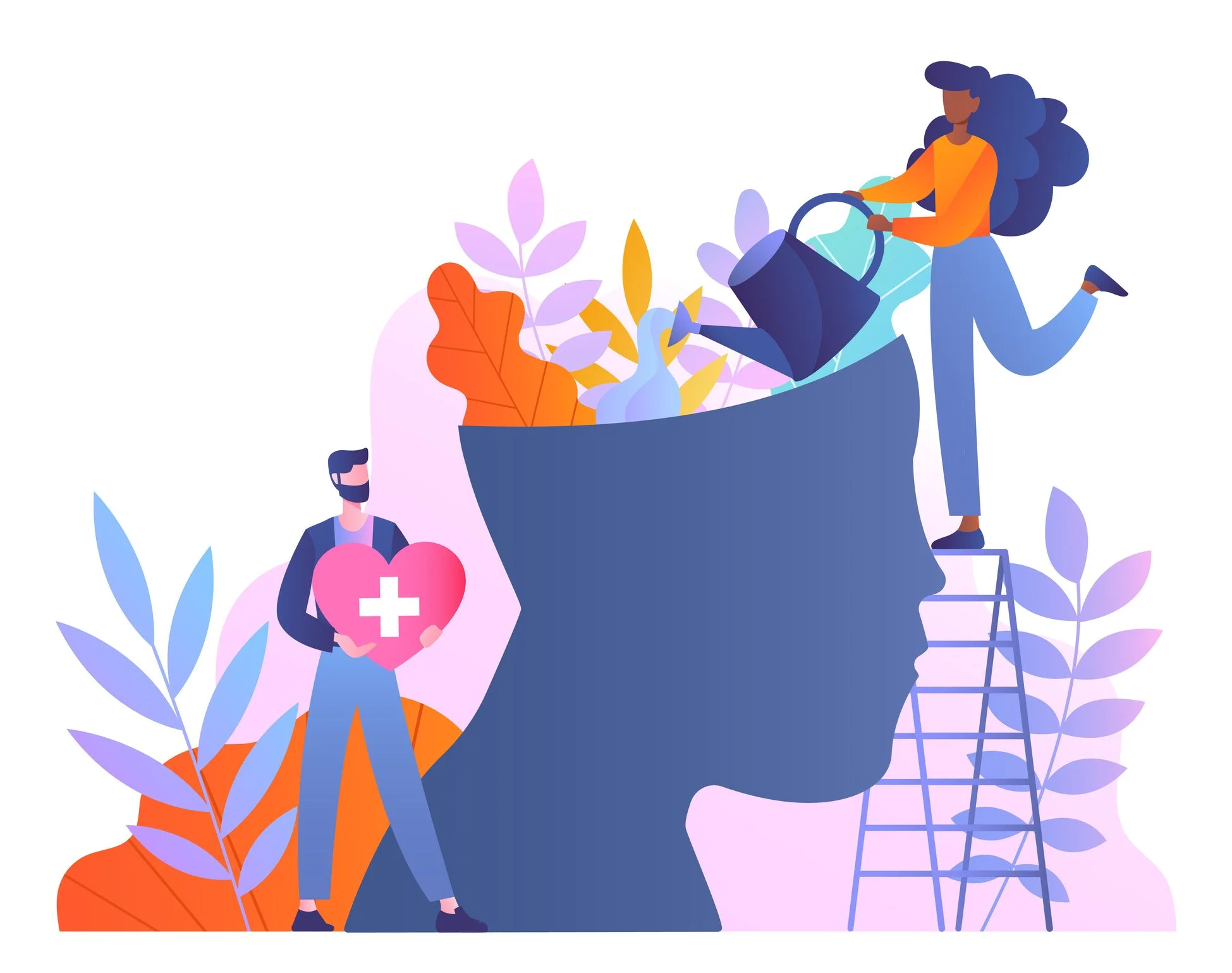
Bridging the Gap: Making Mental Health Care More Accessible for Communities of Color
Mental health struggles don’t discriminate. People from every background, culture, and identity experience anxiety, depression, trauma, and other mental health challenges. But access to compassionate, effective care is not always equal — especially for individuals from minority communities.
July is Minority Mental Health Awareness Month, a time to recognize the unique mental health needs and barriers faced by Black, Indigenous, and people of color (BIPOC), as well as LGBTQ+ individuals and other underrepresented groups. At Alleviant Integrated Mental Health, we believe that healing starts with being seen, heard, and respected — and that means representation matters.

Why Representation Matters in Mental Healthcare
Mental health looks different for everyone, and so should mental health care. Too often, people from marginalized or underrepresented communities feel like their struggles are overlooked or misunderstood by the healthcare system. This can lead to delayed treatment, misdiagnosis, or feeling like there’s no safe place to turn. But mental healthcare should never feel out of reach.
At Alleviant Integrated Mental Health, we believe that true healing starts with being seen, heard, and respected. That’s why representation in mental health care is so important — because when people feel understood, they’re more likely to open up, get support, and begin to heal.

PTSD Awareness Month: Understanding, Supporting, and Healing
Every June, we recognize Post-Traumatic Stress Disorder (PTSD) Awareness Month, a time dedicated to raising understanding about a condition that affects millions of people across the globe. At Alleviant Health, our mission is to bring compassion, clarity, and comprehensive care to those navigating the challenges of PTSD. This month, we honor the strength of survivors and emphasize the importance of accessible, integrative mental health care.